Wednesday, September 1, 2021

Could aliens be using Dyson Spheres around black holes to collect immense power?

Scientists have upped the ante on theoretical Dyson Spheres with a proposal for alien civilizations constructing the colossal megastructures around stellar mass black holes, pushing the energy harvesting power well beyond what could be possible with just a traditional Dyson Sphere.

In a new study published in the Monthly Notices of the Royal Astronomical Society, researchers from Taiwan's National Tsing Hua University (NTHU) dig into the energy output from a stellar mass black hole and found that the energy captured would be immense and would dwarf the amount of energy captured by their own sun.

"An accretion disk, a corona, and relativistic jets could be potential power stations for a Type II civilization," the researchers write. "Our results suggest that for a stellar-mass black hole, even at a low Eddington ratio, the accretion disk could provide hundreds of times more luminosity than a main sequence star."

A Type II civilization refers to the Kardashev scale, a way for astrobiologists and cosmologists to classify the potential energy available to extraterrestrial intelligences. 

Originally, the scale numbered from I to III, with Type I being a civilization capable of harnessing all of the energy of their home planet (humanity isn't even close to this stage yet). Type II civilizations would be capable of harnessing all of the energy produced by its host star, with Type III being able to harness the entire energy of a galaxy.

The issue seems almost well consigned to science fiction, but it is an important one when talking about the search for extraterrestrial intelligence (SETI). While predominantly focused on the radio signals produced by an alien civilization, the problem becomes what happens if an alien civilization is not broadcasting them for reasons of self-preservation (i.e., you can't come and invade what you don't is there).

That problem was what inspired physicists Freeman Dyson to postulate in 1960 that a sufficiently advanced alien race would reach the point where its energy needs exceeded what its planet was capable of supplying.

They would then move to harness the energy of its host star more directly by constructing platforms around their star in a form of biosphere that would absorb most of the star's energy.

If such a megastructure could be constructed, it would significantly diminish the life of the star from our perspective, but would be lit up like Christmas lights in infrared. Even as this advanced alien civilization soaked up all that energy, they could not help but bleed off excess heat into space, lest their platforms melt entirely.

While Dyson wasn't suggesting anything near what we now come to think of as a Dyson Sphere – where a star is essentially encased in an artificial construct like a kind of stellar matryoshka doll – the idea of something along these lines has captured the imaginations of the public and cosmologists alike.

Now, the NTHU researchers have figured that capturing the energy of a stellar mass black hole could provide as much as five times the amount of energy captured by a main sequence star, and might even be more visible as a result even using current telescopes.


Analysis: its fascinating to consider, but how plausible is this?

For starters, its hard to imagine what even a Type I civilization would look like. We're talking about a civilization that would be able to harness the power of earthquakes, volcanos, hurricanes, and even the energy output of the Earth's core all at once. We are hundreds of years out from such a feat if something like this is even possible.

A Type II civilization would have to be thousands of years beyond even that high threshold, and considering the incredibly unlikelihood of life developing on a planet orbiting a stellar mass black hole, much less one surviving long enough to achieve Type I status, any civilization building a Dyson Sphere around a stellar-mass black hole would have to travel from their host star to that black hole and construct one. That would almost certainly put them between a Type II and Type III civilization.

All that said, even though we imagine black holes as energy sinks rather than generators, that is not entirely the case. The area around the black hole is extremely energetic, with its accretion disk accelerating matter so fast that it radiated energy for brighter than a star. 

Quasars, which are pretty much the energy being released in the immediate area around a supermassive black hole in the center of a galaxy, are the brightest objects in space, outshining all of the stars in the galaxy that contains them itself. While the jets speeding out from the poles of a stellar-mass black hole are nothing like those of supermassive black holes, the principle is the same, and the energy they represent is substantial. If you're a Type II civilization, you'd get far more bang from your investment building a Dyson Sphere around a black hole than a typical main sequence star.

However, we've yet to even find traces of bacteria on another world, much less something this, well, epic in scale. But, the galaxy is an immense place with an estimated 400 billion stars in it. We've only been able to detect the presence of a few thousand exoplanets around alien stars. We've got a long way to go before declaring anything we can't comprehend as impossible.


from TechRadar - All the latest technology news https://ift.tt/3gR3e7q

Microsoft 365 Usage Analytics data will soon automatically be anonymous

In an effort to better protect the privacy of its customers, Microsoft has revealed that it will change how usage analytics data is collected in Microsoft 365 to “pseudonymize user-level information” by default.

Effectively this means that all user-level information in Microsoft 365 Usage Analytics will be anonymous by default.

For those unfamiliar, Microsoft 365 Usage Analytics gives IT admins access to a dashboard that allows them to measure adoption trends of Microsoft products within their organization. They can also use the service to generate custom reports as well as to share insights with business decision makers.

Microsoft's privacy-focused update to Microsoft 365 Usage Analytics is rolling out now to business customers and according to a blog post from the company, the change will make it easier for organizations to comply with local privacy laws.

Microsoft 365 Usage Analytics

The change to how usage analytics data is collected in Microsoft 365 will impact user level information across Microsoft 365 Reports in the Microsoft 365 admin center, Microsoft 365 usage reports in Microsoft Graph, Microsoft Teams analytics and reporting in the admin center of its video conferencing software and the reportRoot: getSharePointSiteUsageDetail API for SharePoint site detail.

However, global admins will also be able to revert this change by heading to the Microsoft 365 admin center in order to show personally identifiable information (PII) in their respective tenants. To do this, they'll need to go to Settings > Org Settings > Services and choose the “Reports” option. From there, they can select the “Show identifiable user information in reports” option under the “Choose how to show user information” section.

Once enabled, admins and report readers will be able to see their user's PII though it won't be accessible to the Usage Summary Reports Reader as well as Global reader.

While being able to see employee personal information in reports may be useful to IT admins, keeping this information out of Microsoft's hands will allow organizations to comply with their country's data protection regulations.

Via ONMSFT


from TechRadar - All the latest technology news https://ift.tt/2YamJB8

The pandemic changed how business laptops are designed

The pandemic has changed how we conduct our day-to-day work, as well as how companies communicate, how projects are completed, and how clients and customers view products and services. With this change has come increasing demand for portable computers. Laptops, notebooks and tablet devices have been around for quite some time, but what has changed is the demand for power and features in an affordable and portable form factor.

Computing needs have been increasing for some time, especially in the creative space, where people were working from desks, desktop units, or with peripherals plugged in at all times. Now, these same employees are working from home, or a coffee shop, but without an entire desk worth of gear, attached. For many workers, the tools they need to get their jobs done were company-provided but now they are working outside of the workplace, there is no access to most of these tools. 

No more external storage, no more external graphics processors, no more external monitors or keyboards - the devices many of us rely on to get work done now have to be portable, with storage, processing power, and more, all at a reasonable cost.

Remote Working

(Image credit: Bruce Mars / Pexels)

Powerful laptops have become a necessity

Working from home doubtlessly has some advantages, allowing more time for productive work due to less time commuting and moving from meeting to meeting. It also allows for people to set whatever mood they want for work - whether that’s a dedicated home office, working from the couch, from a coffee shop, shared workspace, or changing it up day-to-day. The possibility of so many locations means that the devices remote workers choose need to be able to fit all of those spaces. 

Working remotely can be great, but it also has its drawbacks. The need for a device capable of running vital software such as Microsoft Teams, Zoom and Webex is no longer a luxury but is now a necessity - and with that comes a clear mic, quality camera, and a way to angle the camera so the focus is on your face.

Additionally, with the use of flexible workspaces projected to continue rising, remote workers need the ability to conduct all elements of their job from the device they have with them. This can include anything from presentations, word processing, video and photo editing, screen sharing, signing PDFs, and more. The need for a reliable internet connection is paramount, with the demand for services such as 10GB ethernet internet rising exponentially. 

Calling with Apple Earpods

(Image credit: ShutterStock / Dean Drobot)

Changing expectations for business laptops

These changes are subsequently changing how laptops are being made. For companies that are entirely remote, the question now is how best to equip employees with a business computer that addresses their needs.

The expectations for these laptops are rapidly changing. Previously, the expectation was to simply get work done, at work. Now, the expectation is to be able to get work done, anywhere, quickly. Business computers used to be a means to get work done, now they are the lifeline connecting employees to their jobs. 

With more people working from home every day, newer laptops are going to need to meet this demand. Thunderbolt 4 connectors are still new, however they will probably be the future of laptop connections due to their versatility and speed. With one port, users can decide what that port does. Whatever it will become, it will transfer data at breakneck speeds. All while cutting down on clutter on the laptop itself. Additionally, due to the rise in virtual meetings, it is expected that the next generation of laptops will have better, high resolution cameras built in. Perhaps even with a camera cover. One additional camera quality that would be nice to see would be the ability to unlock with your face as a standard feature. With that being said, fingerprint security should be mainstream within the next generation of laptops.

On the track of making virtual meetings better, an upgraded microphone built into the laptop would make it so individuals would not have to use a 3rd party option. Continuing down this rabbithole, it would be nice to see laptop designs that have dedicated communication buttons or shortcuts. For example, next to the speaker volume buttons there could be a mic on/off toggle. But one that works with whatever virtual meeting platform you are on.

Further, due to the increased efficiency of the newest chips available, and the readily available places to charge whilst working from home, the next line of laptops may not have the increase in battery that has been the trend up until now. There is not as much of a need for increased battery anymore, so perhaps the trend will plateau.

With that being said, there has been an increasing demand by employees to have these devices provided by the employer. Seeing as how the business computer is everything for any given employee, employers are having to adapt. For example, if one employee does not have a device that allows them to do their job well, then they are going to be seen as a bad worker - with the inverse being true as well. Therefore, a quality device, with powerful components, a hi-resolution camera and microphone twinned with powerful speakers, all at a reasonable price is more than just where business laptops could trend - but the expectation.

Hybrid Working

(Image credit: Shutterstock / metamorworks)

Transitioning to a hybrid working model

If remote work gets to the point where employers are providing employees with laptops, they are going to want to have a way to manage those devices. However, as not everyone has incredibly strong network speeds, there will need to be an adaptation to where IT can efficiently manage those that have poor connection.

Large companies like Apple and Twitter are already looking at what a hybrid work atmosphere or entirely remote atmosphere will look like. As these companies begin to set (unintentionally, or intentionally) the standard for working conditions during and post- pandemic, other companies are watching.


from TechRadar - All the latest technology news https://ift.tt/2WI7COR

Half-price Samsung Galaxy S21, 40% off iPhone 12 mini and more in Telstra Day sale

Telstra Day has landed with some truly stunning deals on Samsung and Apple smartphones, as well as a discounted iPad Air for those seeking a new tablet.

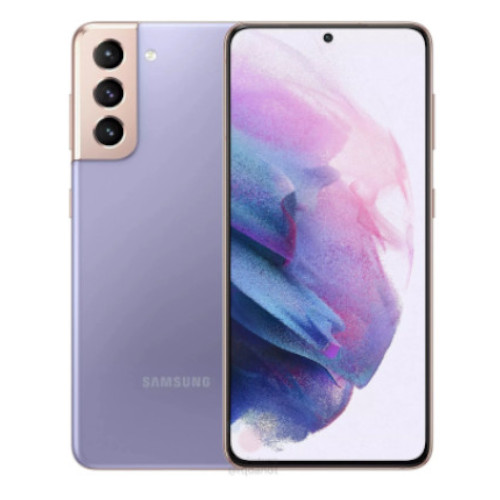
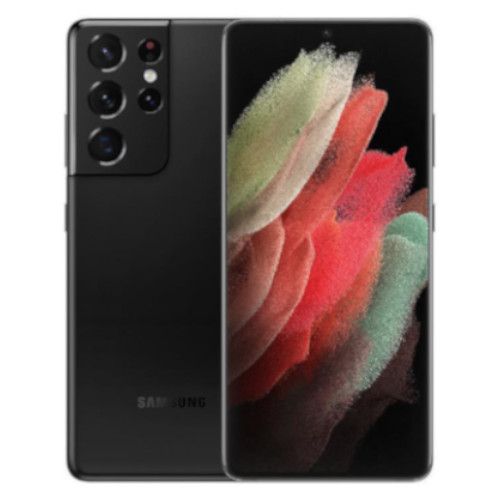
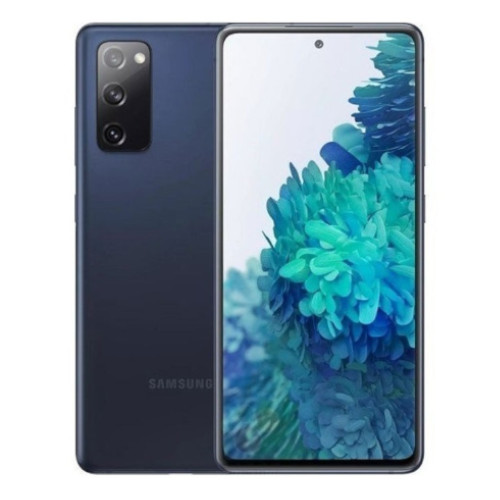
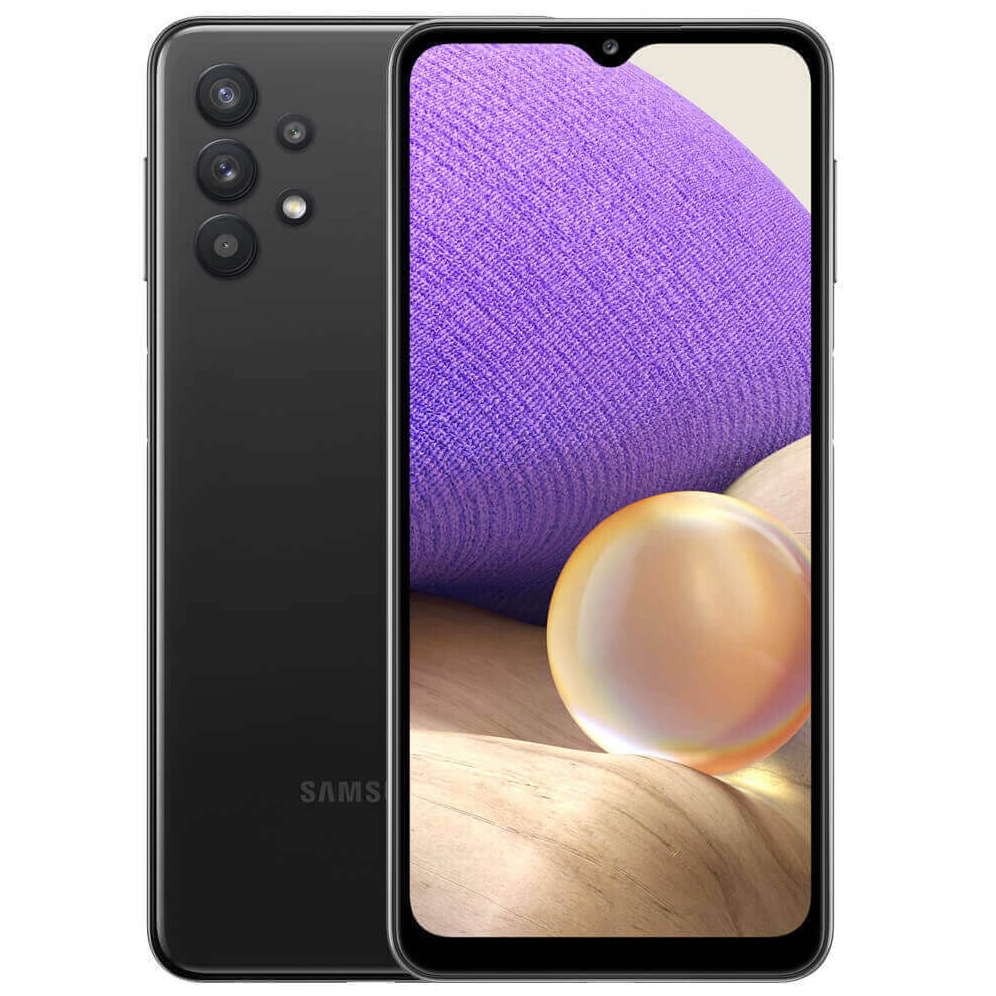
The biggest of the discounts sees the flagship Samsung Galaxy S21 handset reduced by 50%, with this half-price offer bringing it down to just AU$624. There's also 30% off the Galaxy S21 Ultra if you're after something a little more powerful, or those seeking a budget option can save 30% off either the Samsung Galaxy S20 FE or the Galaxy A32 5G.

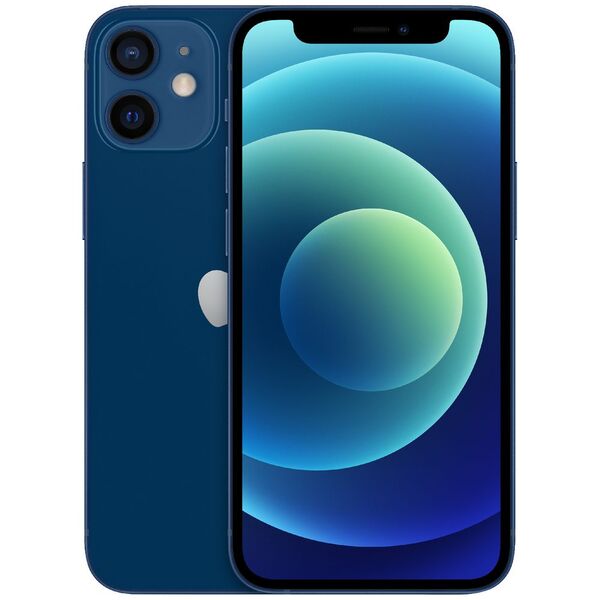
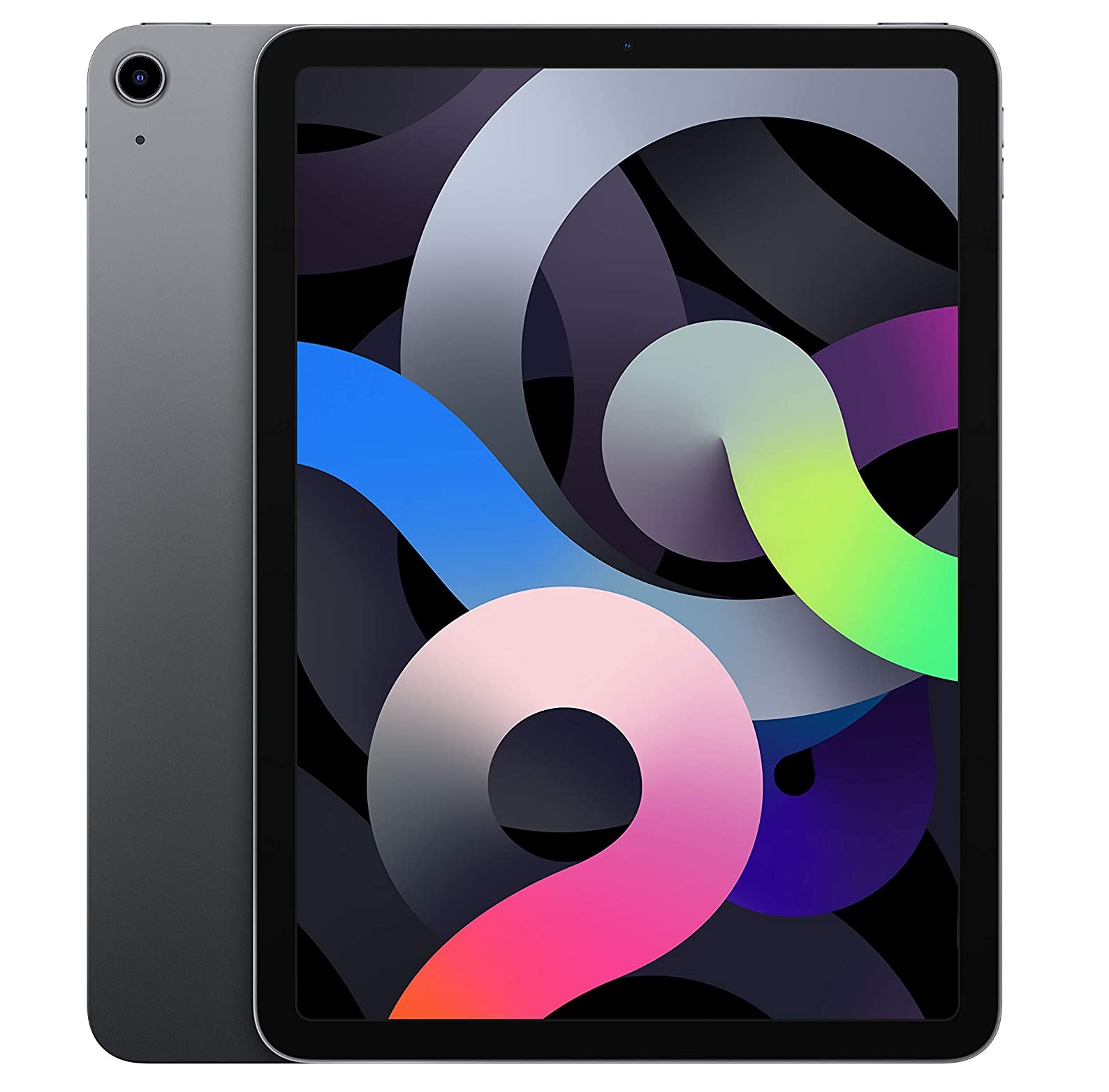
As for Apple, you can save a massive 40% off the already-affordable iPhone 12 mini – a great option for those looking out for the latest Apple experience without needing a huge screen – and a 20% discount on the latest iPad Air (4th-gen) makes for one of the best discounts we've seen on this particular tablet to date.

There's no need to pair any of these products with a Telstra plan to score the discount from the Telstra store either, as every device on sale can be purchased outright with the discount being applied at checkout.

The offers are live all day September 2 (or until stock runs out) but, as its name suggests, Telstra Day only lasts a single day, so be quick if you'd like to score a bargain!

Samsung Galaxy S21 (128GB) | AU$1,248 AU$624 (save AU$624)

If you're looking for the latest Android flagship from Samsung, saving 50% on the Galaxy S21 is as good as you'll get at the moment. This handset improves on the S20 while making it a more affordable option, boasting powerful specs, a versatile camera and premium design. You can also score the 256GB model for AU$672 rather than the usual AU$1,344.

Apple iPhone 12 mini (64GB) | AU$1,199 AU$719.40 (save AU$479.60)

For the iPhone lover that preferred the earlier, smaller models, the iPhone 12 mini is a terrific way to score all the latest power (and 5G capabilities) from Apple without needing a huge device. Ideal for one-handed use and for actually fitting in pockets, this affordable option is even cheaper thanks to its 40% discount.

Apple iPad Air 64GB (4th-gen) | AU$1,099 AU$879 (save AU$220)

The latest iPad Air shakes up the formula a bit, with a gorgeous all-screen design, huge power boost and a whole host of other quality-of-life improvements over its predecessor that bring the range into the future. While the 20% discount isn't as big as the phones are seeing on Telstra Day, it's still one of the best discounts the iPad Air has received to date.

Samsung Galaxy S21 Ultra (128GB) | AU$1,848 AU$1,293 (save AU$554.40)

If the main flagship S21 handset sounds good to you but you simply need even more power, a better camera, and a larger display – the Ultra is the go. It's the first primary lineup Samsung phone to support the S Pen (once exclusive to the Note range), so this is a great option for the power user, and the 30% discount makes the otherwise high price tag significantly more palatable.

Samsung Galaxy S20 FE (128GB) | AU$999 AU$699.30 (save AU$299.70)

In the other direction to the powerful Ultra handset above, the Fan Edition (FE) of the Samsung Galaxy S20 is a great way to get a premium flagship experience in a much more affordable package. It cuts some corners – some of the design and battery chops aren't as premium here – but the low price, coupled with an extra 30% discount, makes it especially appealing.

Samsung Galaxy A32 5G (128GB) | AU$480 AU$336 (save AU$144)

One of the most affordable of Samsung's mid-range smartphones, the A32 is an excellent way to get a 5G-capable handset for a fraction of the price of the flagship lineup. A great battery life, AMOLED display and powerful camera performance make this mid-ranger a strong performer overall, and the extra 30% discount on its already-low price means you can score some top tech for peanuts.


from TechRadar - All the latest technology news https://ift.tt/3t4BelA

TurboTax maker Intuit in $10bn takeover talks with email firm Mailchimp

Intuit, the company behind both TurboTax and QuickBooks, is reportedly in talks to acquire the email marketing firm Mailchimp for $10bn.

As reported by Bloomberg, talks between the two companies are ongoing according to people familiar with the matter. If Intuit does end up acquiring Mailchimp, it would be the company's largest deal ever. 

While no final decision has apparently been made yet, discussions could still fall through. The anonymous sources familiar with the potential deal who spoke with Bloomberg also said that another buyer could emerge as several parties are interested in Mailchimp.

Intuit also recently released its Q4 financial results as well as its results for the full year, revealing in a press release that the company brought in $9.6bn in total revenue for the year as well as $2.6bn during the fourth quarter. Intuit attributes some of it success last quarter to the addition of Credit Karma to its portfolio.

Expanding its small business offerings

If the deal between Intuit and Mailchimp does come to be, it would unite two makers of small business software while giving Intuit a presence in the growing email marketing space.

While Intuit has provided its QuickBooks accounting software to businesses for decades, the company supplemented this offering with its $7.1bn acquisition of Credit Karma last year. Mailchimp meanwhile delivers digital marketing services to small businesses including social advertising, shoppable links and automation products.

Back in August, Bloomberg reported that Mailchimp was considering a sale though the company is also open to offering a minority stake according to those familiar with the matter. While Intuit has set its eyes on Mailchimp, so too have private equity firms and other large tech companies.

We'll have to wait and see as to whether or not Intuit does end up acquiring Mailchimp or if the email marketing firm decides to court another buyer instead.

Via Bloomberg


from TechRadar - All the latest technology news https://ift.tt/3gSSsNT

Is the Microsoft Surface Duo 2 just a month away?

Microsoft announced a new Surface event for later this month, with expectations running high that the new Microsoft Surface Duo 2 might be revealed.

Invites to the virtual event have started going out to media, stating that the company will talk about its upcoming Windows 11 launch and "devices." While there are painfully few details on the page for the event on the company's website, leaked images for the Surface Duo 2 surfaced back in July so a September 22 reveal would be timed just about right for the new dual-screen hardware from Microsoft.

See more

We're also expecting to see other Microsoft Surface hardware, including a new Surface laptop. But with the Surface Laptop 4 released just a few months ago, we're expecting more of an update than an entirely new model that features Intel's 11th-gen Tiger Lake and AMD fifth-gen Ryzen processors.

We're also hoping to see a new Microsoft Surface Pro, but most of all, we hope the Microsoft Surface Book 4 makes an appearance.


Analysis: it's time for the Microsoft Surface Book 4

The Microsoft Surface Book 3 was almost one of the best laptops going thanks to its gorgeous display, appealing design, and outstanding keyboard, but its seriously premium price tag and pretty weak hardware totally knocked it out of the running when it was released.

That was over a year ago though, so Microsoft can make up for these shortcomings with a new Surface Book 4 with the latest processors from Intel and AMD. 

And while we don't expect a discrete GPU, after the Razer Blade 14 managed to pack in an RTX 3080 mobile GPU into a very lightweight chassis, we wouldn't mind seeing Microsoft beef up the specs a bit and make the Surface Book 4 a premium workstation to justify what is certain to be a very premium sticker price.

Microsoft missed the boat with its last Surface Book model, which is a shame. We genuinely hope they rectify that later this month. 


from TechRadar - All the latest technology news https://ift.tt/3jyUyUT

How iPhones and Apple Watches will store your state IDs and driver’s licenses

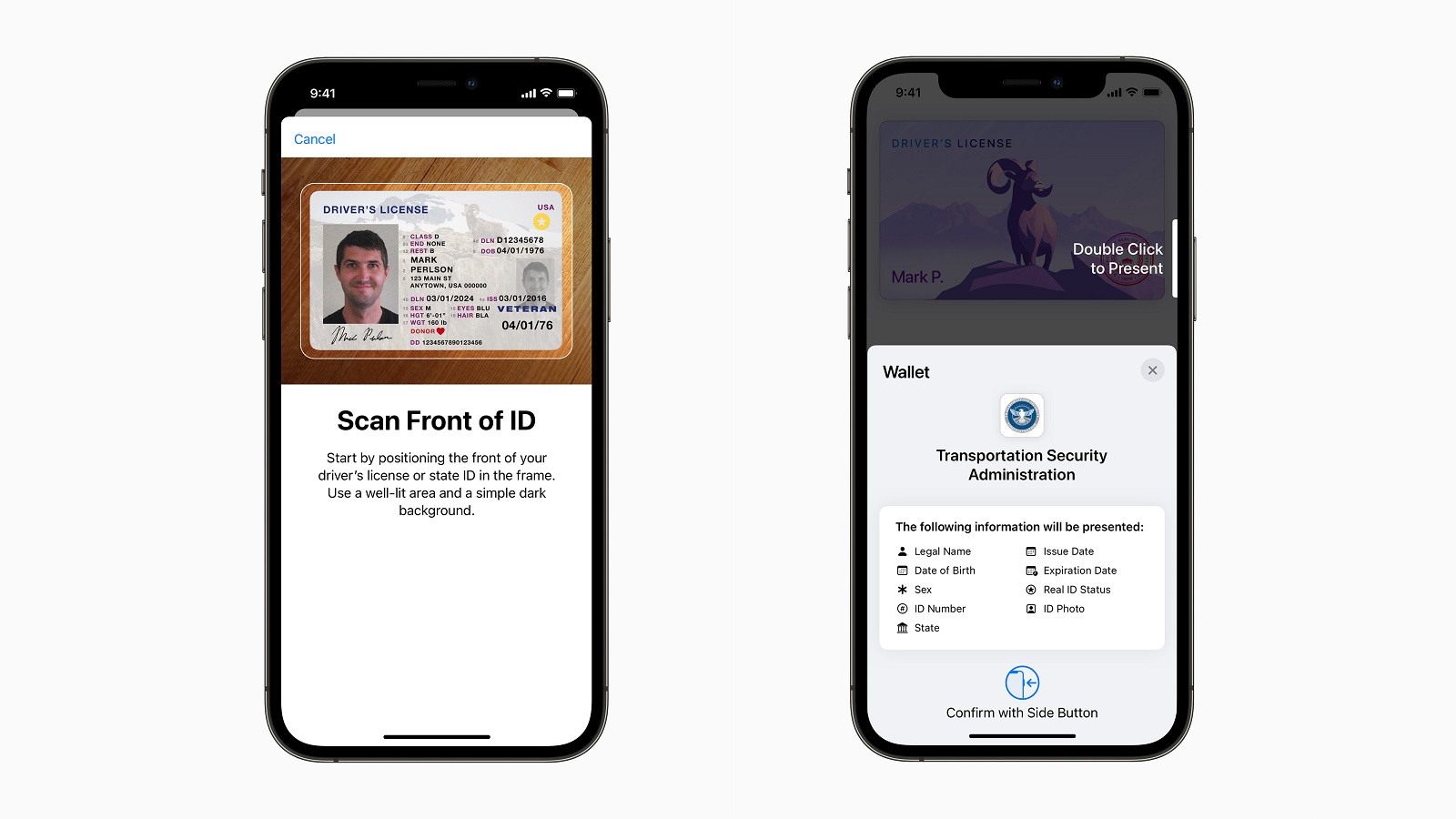
Apple has announced the first states which will let users upload their state IDs and driver’s licenses into the Apple Wallet app, allowing them to flash their iPhones or Apple Wallets the next time they need to identify themselves, whether it’s buying alcohol or walking through a TSA airport checkpoint.

The feature was first introduced at WWDC 2021, originally as one of many perks coming in iOS 15. But the feature no longer seems tied to the next version of the operating system, which we expect to launch in September – instead, it may be available to most iPhones and Apple Watches (we’ve reached out to Apple to confirm). 

ID adoption in the Apple Wallet app is rolling out on a state-by-state basis, according to Apple’s official blog post. Folks in Arizona and Georgia will be the first to be able to add their IDs to their iPhones and Apple Watches, followed by Connecticut, Iowa, Kentucky, Maryland, Oklahoma, and Utah, though we don’t have launch dates for any state. Apple also didn’t share when users will be able to use the feature at TSA airport security checkpoints. 

In addition to visibly displaying your license, like users have done with travel tickets using Apple Wallet, the feature will allow users to simply bring their iPhone or Apple Wallet close to a TSA identity reader and enable the data transfer to wirelessly transfer info, no contact or visible scanning (QR code or otherwise) necessary. 

Users still have to authenticate (via Face ID or Touch ID) themselves before the data transfer starts, conceivably preventing anyone from simply waving a device near a reader to siphon personal info. They also won’t have to unlock their device to transfer the info.

Apple Wallet state ID

(Image credit: Apple)

Data concerns for digital ID

Given its practice of privacy protection (iCloud CSAM-scanning aside), it’s no surprise Apple pre-empted questions with its own FAQ around using Wallet for IDs.

First, using the feature won’t notify Apple nor the issuing state when and where an ID was presented in Wallet. Identity data from IDs is encrypted and stored on the device, and can only be accessed through Face ID and Touch ID authentication, so strangers who get their hands on your phone won’t be able to access the info.

Apple clarified that its mobile ID implementation is based around the ISO 18013-5 mDL (mobile driver’s license) standard, which has established guidelines for protecting consumer privacy while presenting an ID. This allows a sense of security beyond what physical photo IDs are capable of, as a March 2020 white paper about the mobile driver’s license standard by the Secure Tech Alliance explains: 

“An mDL is not a photo or rendering of a physical card, which can be easily tampered with using current graphics tools. Instead, the mDL embeds all relevant data into individual data fields, allowing the data to be compartmentalized,” the white paper reads. “This framework allows mDL holders to share only the fields that they wish to share or that are required by the Verifier. The data elements are digitally signed by the DMV Issuer, allowing the Verifier to have confidence in their authenticity. The electronic reader can validate the cryptographic signatures.”

The mobile ID is not a replacement for a physical ID, as the Secure Tech Alliance stresses in an FAQ – it’s just a safer digital implementation of an existing, government-issued ID, a standard other official bodies could follow.

Analysis: more of your physical life uploaded to your iPhone?

At WWDC 2021 back in June, Apple introduced this feature alongside several others that will empower Wallet to also be used for a variety of other home and work applications, like unlocking your front door, subbing for hotel keys, and acting as a corporate badge. These features are still ‘coming soon,’ according to Apple’s blog post announcing mobile IDs.

We know Apple can feasibly do this after starting to roll out the Car Key feature to unlock car doors earlier this year, which had originally been revealed at WWDC 2020. The feature is restricted to iPhones with ultra wideband (UWB) U1 chips, which are the iPhone 11 and newer flagship models, and only certain cars will support the technology, but it still works. 

Add in the Apple Card credit card, which expanded benefits and purchasing controls in April to chosen individuals in a user’s Apple Card Family, and you’ve got a pretty wide spread of identification and payment options in your iPhone and Apple Watch ecosystem. Add in the rumored Apple Pay Later installment payment plan the company is supposedly working on and folks have fewer reasons to integrate their digital lives elsewhere.


from TechRadar - All the latest technology news https://ift.tt/3zFYsAM

Logitech launches new wireless technology for the enterprise, aimed at hybrid work

Logitech is expanding its enterprise offerings by introducing a new high-performance, secure wireless technology called Logi Bolt for its wireless keyboards, mice and other business accessories.

Logi Bolt aims to provide a solution to key imperatives for enterprise IT by delivering a secure wireless connection, a robust wireless signal and cross-platform compatibility for mice and keyboards. 

As Logitech designed Logi Bolt for hybrid work, the new secure wireless technology is able to conquer IT challenges that can arise when employees are working from home or if they have already returned to the office.

GM of B2B for creativity and productivity at Logitech, Joseph Mingori explained how the company is bringing its expertise when it comes to creating consumer products to the enterprise in a press release, saying:

“For decades, consumers have trusted Logitech to deliver products that help them create, communicate, work and learn at home and on-the-go. Now we look to expand that expertise to employers and offer a stellar employee experience as they evolve their requirements in a rapidly changing landscape. We have redefined our enterprise offering to support individual work setup solutions on a global scale while launching our new, wireless technology solution – Logi Bolt – enabling secure and robust connections to meet today’s evolving business needs. These offerings prioritize the needs of enterprise IT to keep their diverse workforces productive, collaborative and secure no matter where they work.” 

Logi Bolt

Security is at the heart of Logi Bolt and the new offering delivers a secure level of wireless connectivity for Logitech's mice and keyboards by using Bluetooth Low Energy Security Mode 1 Level 4 (also known as Secure Connections Only Mode) when paired with a Logi Bolt USB receiver.

Logi Bolt USB receivers can also provide a strong, reliable and drop off free connection for up to 33ft (10m) even in congested wireless environments such as large offices with up to eight times lower average latency when compared to other commonly deployed wireless protocols in congested, noisy enterprise environments.

At the same time, Logi Bolt devices are more universally compatible than peripherals from other device makers and they work with just about every operating system and platform including Windows, macOS, iOS, iPadOS, Linux, Chrome OS and Android.  Users can also connect their Logitech devices via Logi Bolt USB receivers when security and signal strength are paramount but they can also use Bluetooth Low Energy wireless technology for convenience.

Logitech devices that feature the company's new Logi Bolt technology are available for pre-order now through its global resellers. 

  • We've also rounded up all the gear you'll need to work from home successfully


from TechRadar - All the latest technology news https://ift.tt/3t8gl9e

Amazon sale slashes the M1 MacBook Air to $849.99 – the lowest price ever

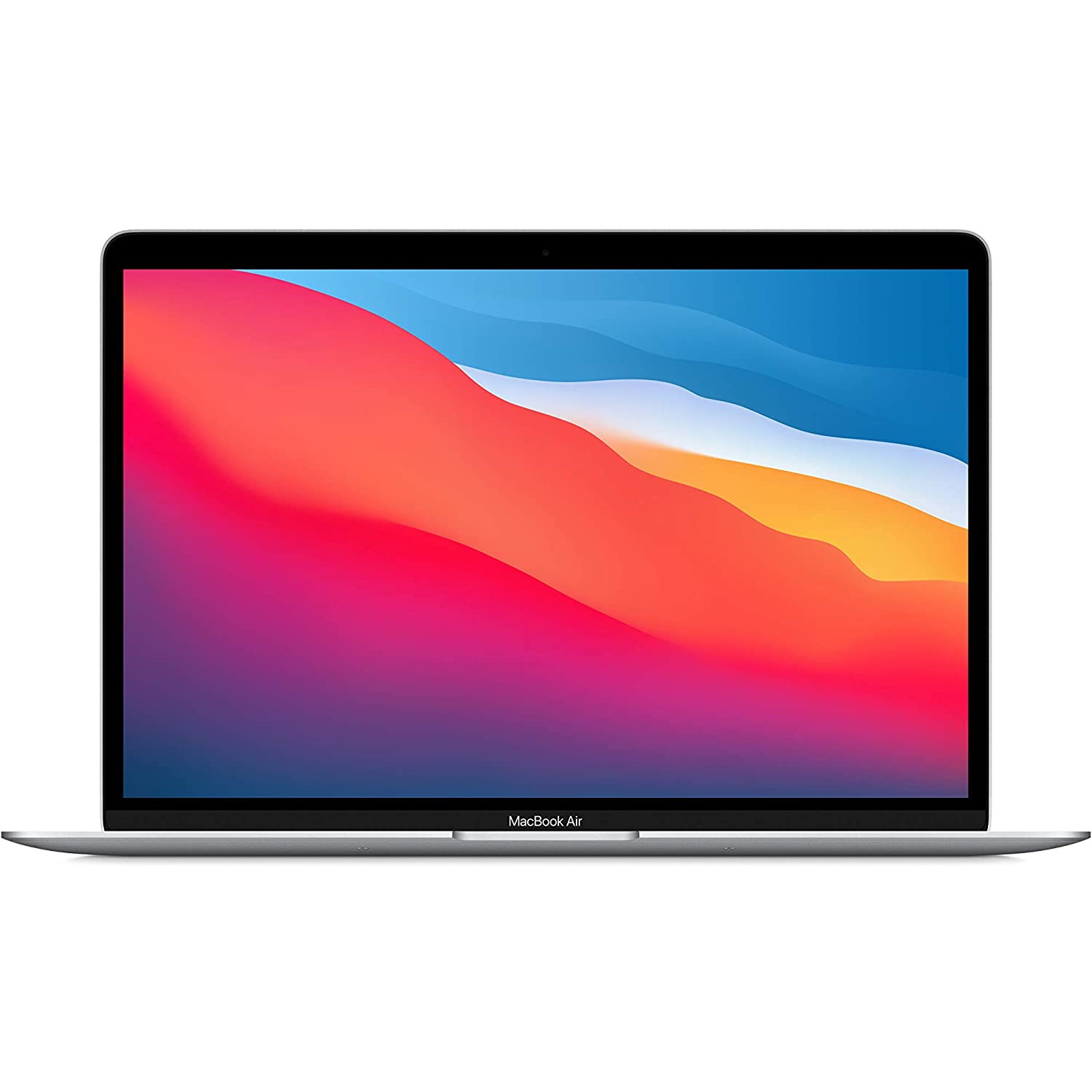
Upgrade your machine and save money with this incredible deal we've spotted at Amazon. For a limited time, you can get the M1 MacBook Air on sale for $849.99 when you apply the additional $100 discount at checkout. That's a total savings of $150 and the lowest price we've found for the powerful 13-inch laptop.

MacBook Air deal

Apple MacBook Air (2020): $999 $849 at Amazon
Save $150 -
You can get the 2020 MacBook Air on sale for a record-low price of $849.99 when you apply the additional $100 savings at checkout. The 13-inch laptop features Apple's powerful M1 chip, 256GB of storage, 8GB of RAM, and provides up to 18 hours of battery life.

The 2020 MacBook Air features a 13.3-inch Retina display and packs Apple's powerful M1 chip with an 8-core CPU and 8-core GPU to deliver exceptional speed and power. Perfect for students, the compact laptop weighs just 2.8 pounds, includes Touch-ID, and provides an impressive 18 hours of battery life.

As we've mentioned above, this is the best deal we've seen for the 2020 MacBook Air and a fantastic price for a powerful laptop. The additional savings from Amazon is a limited-time offer, so you should take advantage now before it's too late.

More MacBook deals

See more laptop offers with our roundup of the best cheap laptop deals and you can see more of the best MacBook deals that are happening now.

You can also see more bargains with our roundup of the best Labor Day laptop sales that are happening right now.


from TechRadar - All the latest technology news https://ift.tt/3jxB0jA

Tokyo Game Show 2021 will include streams from Xbox, Square Enix and more

Now that we’ve had a chance to digest the news from Gamescom 2021, it’s time to start thinking about the next big show on the gaming calendar: Tokyo Game Show. 

The show’s schedule is now beginning to take shape and, according to the official Tokyo Game Show website, we can expect presentations from some big names including Xbox, Square Enix, Capcom, Konami and Ubisoft. 

The show will run from September 30 through to October 3, with Xbox, Capcom and Konami getting in their presentations early on day one, while Square Enix will host its stream on October 1 and Ubisoft will take the stage on October 3. 

According to the schedule, each of these presentations is expected to last 50 minutes and you’ll be able to watch them from the comfort of your own home as, like E3 and Gamescom, this year’s Tokyo Game Show will be entirely online. 

You’ll also apparently be able to watch through a virtual reality headset as the official site teases “an epic experiment” which will give online attendees the ability to “visit various booths as if you were walking around the game world” using HTC Vive and Oculus Quest and Rift headsets. 


Analysis: What to expect?

At the moment, it’s not entirely clear what specific announcements we can expect during Tokyo Game Show as the majority of publishers have kept the descriptions of their shows pretty minimal. 

Capcom, for instance, has said it will deliver “the latest game information” and Ubisoft has only said its stream will be a part of Ubiday 2021. Xbox has told fans to “look forward to various announcements that can only be heard here” which doesn’t really give much away either. Xbox’s recent presentation at Gamescom wasn’t especially mind blowing but Phil Spencer has previously said in an interview with Gamespot that he’d like Xbox to be “part of the gaming consciousness in Japan” and Xbox’s presence at Tokyo Game Show again is surely part of that effort.

When it comes to Square Enix, its event description states that it’ll bring the “latest news about our upcoming titles, along with the pre-announced information” but no more than that. Final Fantasy 16 would certainly count as an upcoming title—one that plenty of fans would love an update for, too—but it's far from guaranteed that it’ll make an appearance. 

As recently as July, producer Naoki Yoshida said during a Final Fantasy 14 livestream that while the development team would like to show Final Fantasy 16 during Tokyo Game Show they might not make the deadline and would prefer the next reveal to come shortly before release. Fortunately, there are plenty of other upcoming titles Square Enix could update us on. Final Fantasy 14’s Endwalker expansion seems like a good candidate, given it’s set to release in November, as does Marvel’s Guardians of the Galaxy which is scheduled for October.

With so little to go on, though, it feels like a good idea to manage our expectations for what might be shown at Tokyo Game Show even if it is hard not to get excited by the prospect of potential updates on some highly-anticipated games. Fortunately, it's only a matter of weeks until the show begins. 


from TechRadar - All the latest technology news https://ift.tt/2WF5lDW

Are you a cyclist? Take part in our cycling survey for the chance to win an Amazon voucher

Do you prefer aero or upright, pedal power or electric? Whether you are a club or competitive, cycle only in fair weather at the weekend, suit up for the commute on Monday morning, or spend your winters in a virtual world on your indoor trainer, we want to hear from you.

The world of cycling is changing faster than ever, and to help keep you abreast of all the developments, we want you to tell us your views.

We'd like to hear about your bike and the sort of kit you choose to make the most of your cycling, from bike components and accessories through to what you like to wear.

Cycling can be an all encompassing hobby for some, with a huge range of options from best bikes, kit, gadgets and training products to improve your fitness, reach targets and stay at the top of your game. 

In contrast, some people will use the same tried and trusted bike they've had for years. So let us know where you sit.

This cycling survey takes about 6-8 minutes to complete and to say thank you for your time, your entry will be placed into a prize draw for a chance to win an Amazon voucher worth $300 or £250*. 

Complete our cycling survey today

*T&Cs apply. Prize draw for US, UK and Europe only. The survey runs to 22 September 2021 and is open to readers in Australia and Canada as well, although those in these territories will not be eligible for the prize draw. 


from TechRadar - All the latest technology news https://ift.tt/3mQjwBh