Running events have changed, and it looks very much like virtual events are the 'new normal'. It's not just small races – all the major marathons including London, Boston, Tokyo and Berlin, went virtual for 2020, and many are planning the same for 2021.
There are lots of advantages to going virtual: there’s potential for far more participants to take part, no need for road closures, and less litter (although many official races now insist that runners bring their own water bottles). There’s less pollution, too, as you can start the race from your front door rather than traveling to a venue.
However, that's also a drawback; if you're simply starting your Garmin and running the same route every time, there's nothing to distinguish one race from another. Whether it's the Great North Run or a local 10k, the experience is identical. You don’t get the same race-day atmosphere – the crowds cheering, the adrenalin, the push to overtake that person in front (or the advantage of sticking with a pacer), and you can also miss out on the camaraderie of running as a group.
Passing the tasuki
That's where virtual relays can come in – a type of race that lets you run as part of a team and stay connected despite geographical distance.
The Asics World Ekiden is a virtual relay marathon – the first event of its kind, which lets groups of up to six runners split the 26.2 mile total distance into chunks. The event is inspired by a traditional Japanese running event, where participants pass a type of sash called a tasuki from one runner to the next (just like a baton in an Olympic relay).
The tasuki in Asics World Ekiden is a digital token, but the principle is the same – each runner completes their section, then hands over to the next person. The team is ranked as a whole, and can see their position on a leaderboard of teams from all around the world.
Alex Vander Hoeven is the CEO and co-founder of Race Roster and Runkeeper – the two platforms that are being used to bring the Asics Virtual World Ekiden to life. Runkeeper is the app that runners install that handles tracking and coaching, while Race Roster is the registration system (essentially a TicketMaster for running). We spoke to him and Sarah Crispin, senior manager of strategy and operation at Asics Digital to find out how such a huge event came together, and where they see the future of racing.
The Asics World Ekiden is the first virtual relay marathon of its type(Image credit: Asics)
“Obviously the world is much different this year – I don’t really need to talk too much about that – but it’s really changed how running events operate this year,” said Vander Hoeven.
“Even before the pandemic, we were constantly doing user research trying to figure out how we could best serve runners – talking to users are trying to figure out how we can make the running experience better.
“There’s been a huge uptick in the number of [virtual] events offered and the number of events that are being participated in, and through user conversations and surveys, we decided that the Ekiden would be a really great new platform for runners to take part in a new running, event, but also do so with friends.
I think loneliness is a big issue right now with this pandemic, and participating in team sports is really difficult, so this tries to solve a few of those things.”
In Asics' research, most runners said they missed racing with friends and training buddies(Image credit: lightpoet / Shutterstock)
In Asics’ research, 55% of the runners surveyed said they felt safer participating in a virtual event versus a small real event, and 61% said they would feel motivated to compete in a virtual event or competition if they were doing it with teammates or friends.
A huge 67% of runners surveyed said that they also miss competing with teammates or people they train with, so the team felt there was definitely room for a virtual event that would bring people together rather than running alone.
“Plus, with Asics being a Japanese company, and the heritage and history of the Ekiden, it was a really good fit," said Vander Hoeven. "Bringing these two platforms together – Race Roster and Runkeeper – allowed us to celebrate this really cool historic run typically taking place in Japan. It was sort of known in North America and other countries, but now we’re able to promote it more at a global level. There was just lots of evidence that suggested it would be the perfect time to put together a Virtual World Ekiden.”
Thinking bigger
Vander Hoeven says the biggest challenge of organizing the event was its sheer scale. “There’s always the basic challenge of figuring out ways to connect people, and figure out how people can train together, run together, and pass a virtual tasuki.
“There were some interesting challenges there, but to bring it to a global level you need a platform that can serve many different countries in many different languages – and then something that brings it all together in some sort of leaderboard that can also be presented in different languages in different regions.
Unique audio could become an essential part of virtual races, making each one a different experience(Image credit: Creative Family / Shutterstock)
"So there were a lot of great challenges with this project, and now the benefit is that the individual platforms are much stronger in terms of our ability to serve the global market going forward.”
As Vander Hoeven explains, there was no real precedent for virtual relay technology before. “We had a few different formats that we could have patched together, but we felt it was really important to create a custom bespoke experience for the Ekiden, which led to some really cool innovations.
“One of the things that came out of this is that we’re overlaying a really nice audio layer to the experience, so that when somebody signs up for the race, or when somebody starts the race, they get to hear that.”
Much of the appeal of events like the Chicago Marathon is their unique vibe, which is tough to recreate virtually(Image credit: John Gress Media Inc / Shutterstock)
As they set off, each runner is given encouragement, and told that until they cross the finish line, the success of their team rests on their shoulders. They are also given a brief history of Ekiden, and the app will ‘check in’ periodically to provide encouragement.
Vander Hoeven explains that touches like this are what can help make each virtual race a unique experience. “It’s tough to differentiate right now what is really going to set apart a virtual Boston Marathon and a virtual Chicago Marathon if you just go out your front door and run around the block.
"Bringing in some audio and background music I think is really going to differentiate the virtual experience, and that’s going to be critical going into 2021, because that’s truthfully a lot of what the running event experience is going to be like – it’s all going to be virtual events (or the vast majority of it will be) and we need to differentiate.”
Although the new system was built for the Asics World Ekiden, we can expect to see it in a lot more races in the future. Asics will be the first to present it to runners, as it’s investing in its development, but it will soon be available to event organizers around the world
It might even be used for your next race, letting you stay connected with your usual running club even when social distancing keeps you apart.
Almost an entire year ago on the last Black Friday, Three dropped a SIM plan that blew everything else out of the water. Now with roughly a month left until the next Black Friday...this SIM remains the best option on the market.
That significantly undercuts all the other unlimited data SIM only deals on the market and even a number of other plans with less data.
Of course, Black Friday SIM only deals could come around in the next month and bring even more value to the table, but, for now, Three is holding the crown for best value.
Unlimited data SIM only deals from Three:
Three | 12 months | Unlimited data | Unlimited calls and texts | £18 per month
This is, and has been for a while, the best SIM only plan on the market. Coming in at just £18 a month, it undercuts the other big names like Virgin, EE and Vodafone significantly in price. For unlimited data, calls and texts, you are paying just £18 a month. View Deal
If you haven't already been won over by these amazing offers from Three then you'll be excited to hear that the network doesn't shy away from offering up some extra incentives as well.
Whether that be more control over your plan, extra perks or increased roaming, you can see all of best parts of a Three SIM only deal or Three mobile deals down below.
- Personal Hotspot: Use your data to tether your laptop so you and use your phone like your own mobile broadband router
- Go Roam: Roaming abilities in 71 worldwide countries at no extra cost
- Control your spending: Features that allow you to block calls and texts to certain numbers that might otherwise run up extra costs on your bill
- Data flexibility: Add extra data to your tariff at anytime, even halfway through a month
- Travel Swagger: Get travel upgrades with Easyjet with bag drop and early boarding
from TechRadar - All the latest technology news https://ift.tt/35SRNp9
It might feel like a strange time to buy a new camera, given that the pandemic has torched our travel plans and kept many of us locked up at home. But that's also precisely why it's a good time to invest in a new photographic sidekick – you don't need spectacular scenery to take great snaps, and Black Friday 2020 is almost here to bring some stellar discounts on the tools that can reinvigorate your photographic life.
Of course, it's one thing knowing that you want a new camera or lens, and another figuring out exactly which model to go for and how to find the best price. That's where we can help.
Our in-depth guide is here to, firstly, help you decide which camera is right for you (or the person you're buying for), and then show you how to find the best Black Friday camera deals. While Black Friday itself doesn't start until November 27, we're already seeing some excellent discounts appear in the run-up to the big day.
Let's step back and tackle the first part. How do you decide which camera to buy? That's a broad question that depends on many factors – including your budget, level of experience and preferred subject matter – but we'll steer you in the right direction based on our in-depth testing all of the major camera releases this year. And, just as importantly, our experience with some of the great camera performers of yesteryear, which often offer the best value.
Ready to make a shortlist and hunt down the best Black Friday camera deals? Let's dive in.
With the best phone cameras now offering so much, why buy a standalone camera in the first place? If you've come to this article, you probably already have a good idea already, but in general it comes down to a combination of image quality and creative control.
Smartphones have improved hugely when it comes to the former, but computational photography still can't fully compete with the large sensors and lenses of traditional cameras. Phones are also finely tuned for a point-and-shoot experience, which they do very well – but to really understand the nuts-and-bolts of photography and flex your creative muscle, a camera is still a far superior tool.
(Image credit: Future)
The knock-on effect of the smartphone's photographic rise has also been an explosion in the variety of cameras you can buy. Instant cameras have had a big revival, while video is now a huge focus thanks to the evolution of drones, 360 cameras, vlogging cameras, and action cameras.
In this article, we'll start by focusing on the three main forms of photography-lead camera – DSLRs, mirrorless cameras and compact cameras – but will also include suggestions from most of those popular sub-genres too, if they represent a good option for your preferred style of snapping or video shooting.
How to choose the right type of camera
1. Interchangeable or fixed lens?
Before choosing whether or not you want a DSLR, mirrorless camera or compact camera, there is a more fundamental question to answer – do you want a camera with interchangeable lenses or a fixed lens camera?
The former are hugely versatile and offer the best image quality for most types of photography, because you can choose a specific lens for the job. They also mean the camera can grow with you. That said, it's important to work out whether you'll genuinely embrace the added cost and complexity of lenses. Also, if you're keen to explore one particular form of snapping – street photography, for example – a specialist fixed lens camera may suit you better.
(Image credit: Future)
2. DSLR vs mirrorless
Looking to go for the versatile route? There are two main types of interchangeable lens camera: DSLRs and mirrorless cameras. You can read more about how these compare in our Mirrorless vs DSLR cameras article, but their main difference is their viewfinder. While DSLRs have optical viewfinders (which receive their light from the lens via a mirror), mirrorless cameras have an electronic viewfinder (EVF) which uses an entirely digital process.
So what are the practical differences, then? Generally speaking, DSLRs have longer battery lives (because their viewfinders aren't digital) and the widest range lenses, simply because they're a legacy technology that's been around longer than mirrorless. Some people also simply prefer the handling of DSLRs, which are generally larger than mirrorless cameras.
We have reached the point with mirrorless tech, though, where they are now the best choice for most people. The early disadvantages (poor battery lives, limited native lens ranges, autofocus) have all been ironed out and they now offer the most modern shooting experience available in a standalone camera. If you (or the person you're buying a camera for) is stepping up from a smartphone, you'll likely feel much more at home with the all-digital shooting experience of a mirrorless camera.
(Image credit: Future)
3. Compact and bridge cameras
Not too bothered about having the option of changing lenses? Then it's also worth considering bridge cameras and compact cameras. Bridge cameras, as the name suggests, offer a bridge between DSLRs and compacts. They're all-in-one fixed lens cameras that come with long zoom ranges, effectively giving you a bag of lenses in one camera. The downside is that they generally have small sensors and are quite bulky.
The best compact cameras, of course, offer a smaller fixed lens solution. They've largely been decimated by smartphones, which now at least equal or better most compact cameras with a 1/2.3-inch sensor or smaller.
Still, if you're mainly looking to do street photography or travel photography, and don't need a long zoom, we'd highly recommend looking at premium compact cameras with Four Thirds or APS-C sensors (scroll down for some examples). These are able to combine excellent image quality, creative control and pocketable form factors, making them an accessible way to boost your snapping skills.
Okay, so you hopefully now have a good idea of which type of camera is for you. Now it's time to cover the key specs to look out for, then highlight our 'ones to watch' in each category.
The camera specs to look out for
Camera spec sheets can be pretty hard to decipher, so we've picked out a few of the key features that are worth keeping an eye out for during your Black Friday camera shopping.
1. Sensor size
A far more important factor than a camera's number of megapixels, sensor size is the most crucial decision when buying a camera. For compact cameras, we'd recommend looking at models with 1-inch sensors or higher.
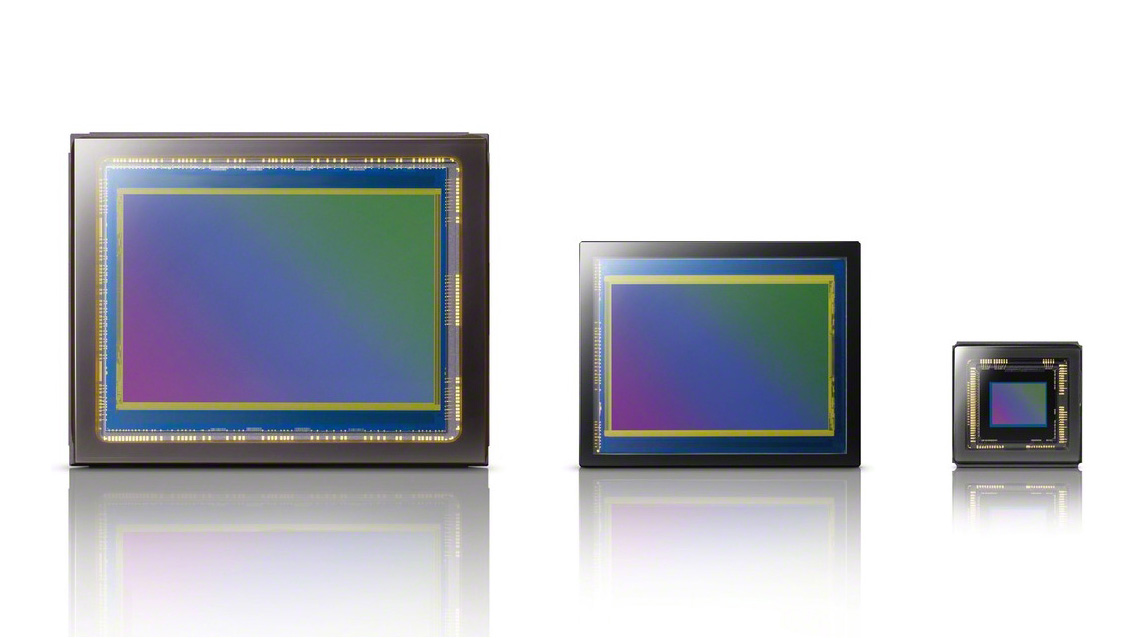
For DSLRs and mirrorless cameras, you really have three sensor size choices. In ascending order of size, these are Four Thirds, APS-C and full-frame.
You might assume that full-frame is the 'best' because it's the largest of the three, and therefore has better light-gathering powers. But the downside is larger, pricier lenses and less widely available features like high burst shooting and in-body image stabilization. Beginners are better off starting with a Micro Four Thirds or APS-C camera, as these will be smaller, more affordable and more user-friendly.
(Image credit: Future)
2. Viewfinder or no viewfinder?
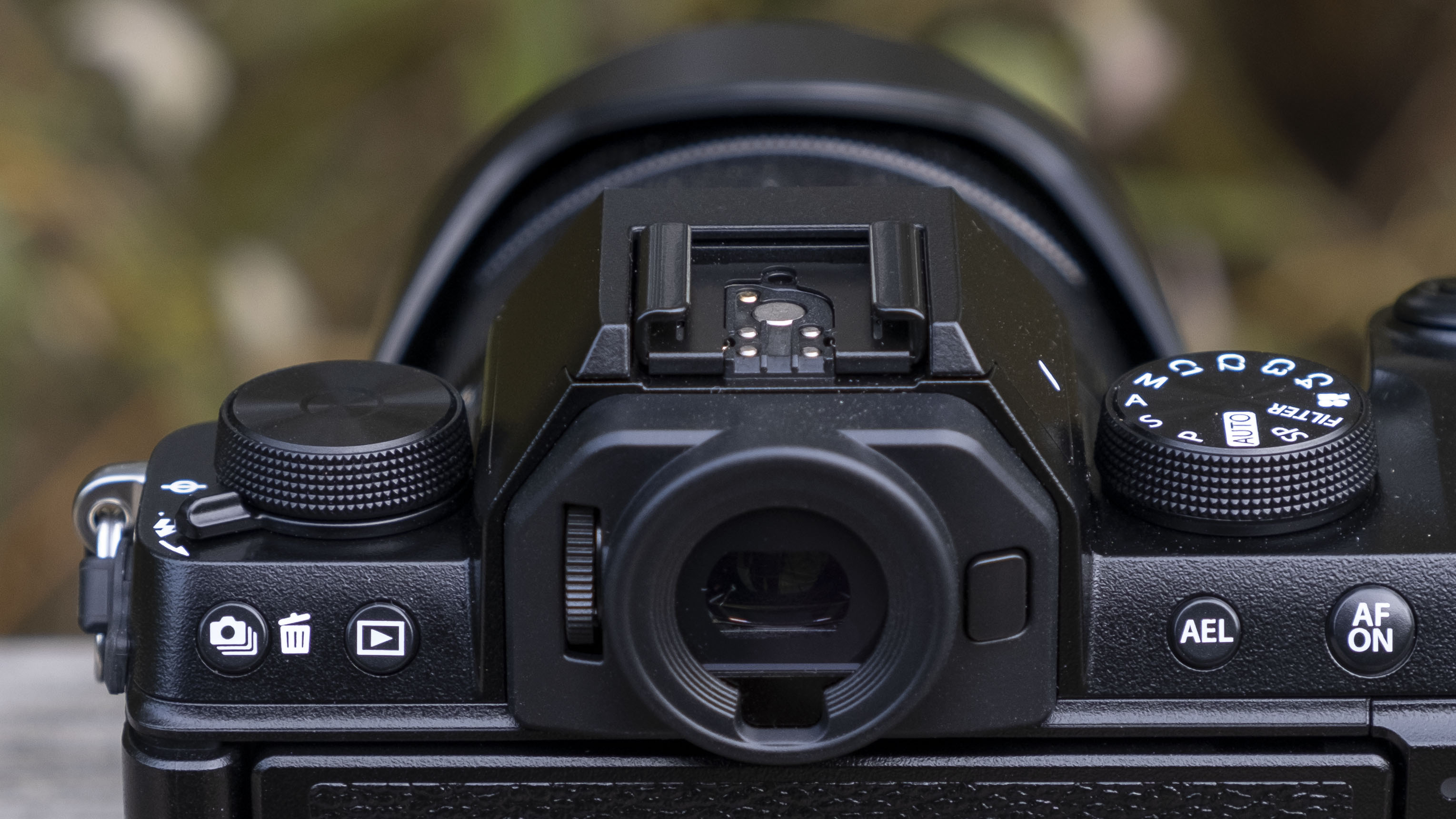
The most affordable mirrorless cameras tend to lack a viewfinder (the eyepiece that you look through to compose a shot). In these case, you always compose your shot using the rear screen.
In some ways, this makes them more approachable for anyone coming from a smartphone, as you take photos in a very similar way. But if you're looking to pursue photography as a hobby and grow your skills, we'd highly recommend buying a camera with a viewfinder – they're crucial in bright conditions and are very helpful for refining your photographic eye.
A DSLR is the cheapest way to get a camera with a viewfinder, but the electronic viewfinders (EVFs) on mirrorless cameras show in real-time how tweaking your settings will affect the final photo. For beginners, this is the more intuitive approach and EVF-equipped mirrorless cameras are now more affordable than ever.
(Image credit: Sony)
3. Autofocus skills
A camera's autofocus (AF) system allows it to automatically adjust the lens to find focus in a photo, and there are two main types: contrast-detection AF and phase-detection AF.
The former is an older system that's slower than phase-detection, but also more accurate when it comes to still subjects. The newer phase-detection is particularly skillful when it comes to focusing on moving subjects, but is less capable in low light.
So what should you look for? Because there are benefits to both, more recent cameras have 'hybrid AF' systems that use both technologies. For beginners, we'd recommend looking for cameras that have 'hybrid AF', rather than simply having contrast-based autofocus, as it's simply more versatile. For the very best autofocus, find a camera that has Canon's Dual Pixel CMOS AF or Sony's Real-time tracking AF.
(Image credit: Future)
4. Video specs
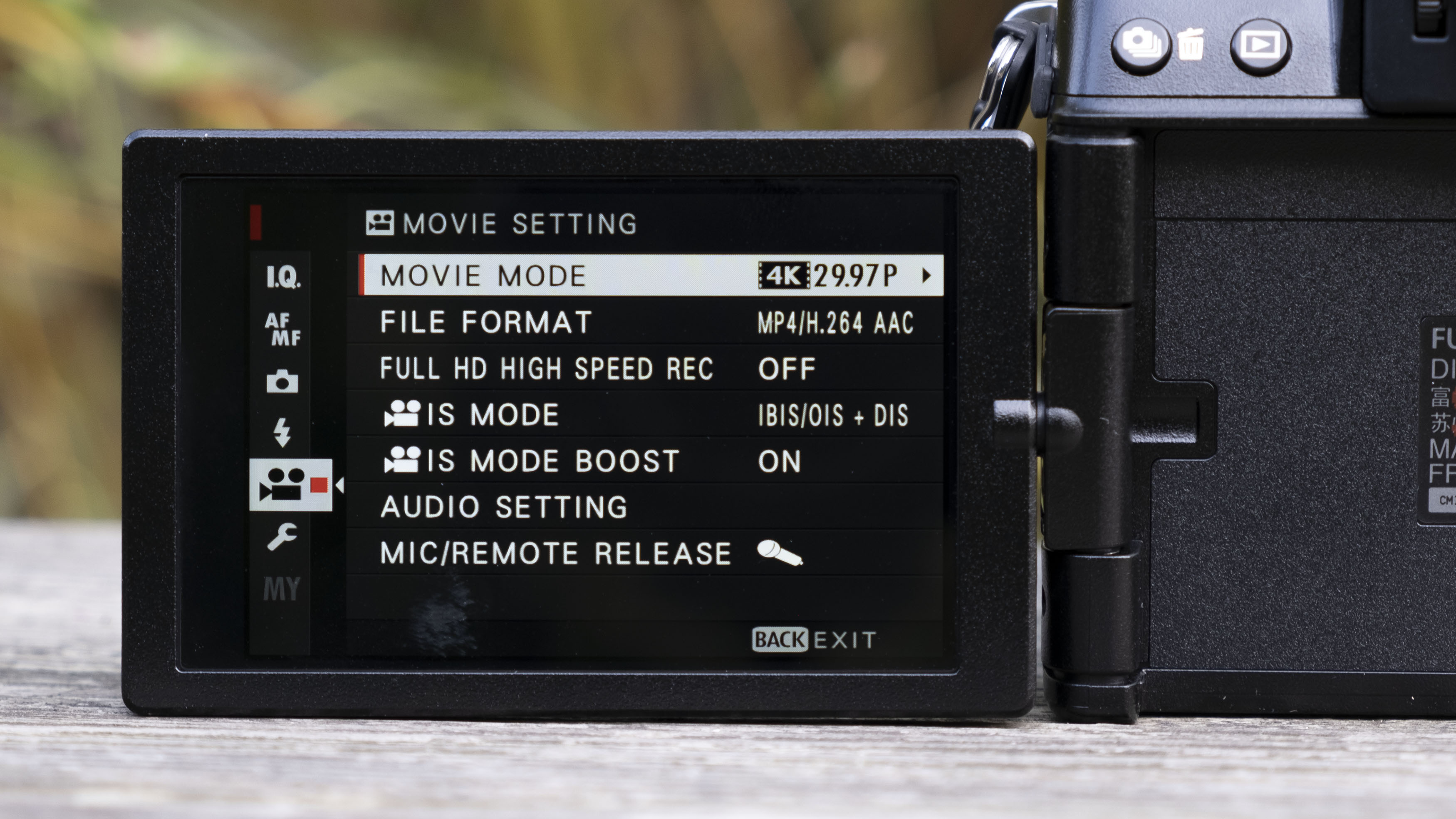
Video has become an increasingly important feature on the latest cameras, with many now just as capable with moving images as they are with stills. But it's not an essential feature if you're mainly a photographer – in fact, if you can't see yourself shooting much video, there are great savings to be made on older cameras that are incredibly capable stills shooters, but simply lack features like 4K video.
If you do want a camera that shoots video, though, don't just look at its maximum resolution – not all 4K cameras are equal. For example, some can only shoot in 4K at low frame-rates like 15fps, which is essentially unusable. Make sure the camera you're looking at can at least shoot in your desired video mode at 24/25fps. Also, check the specs to make sure that there's no major 'crop' (where the camera chops off the outer parts of the image in order to process the video) or inferior autofocus system when it shoots in 4K.
The Black Friday camera deals to look out for
The DSLRs to watch
(Image credit: Canon)
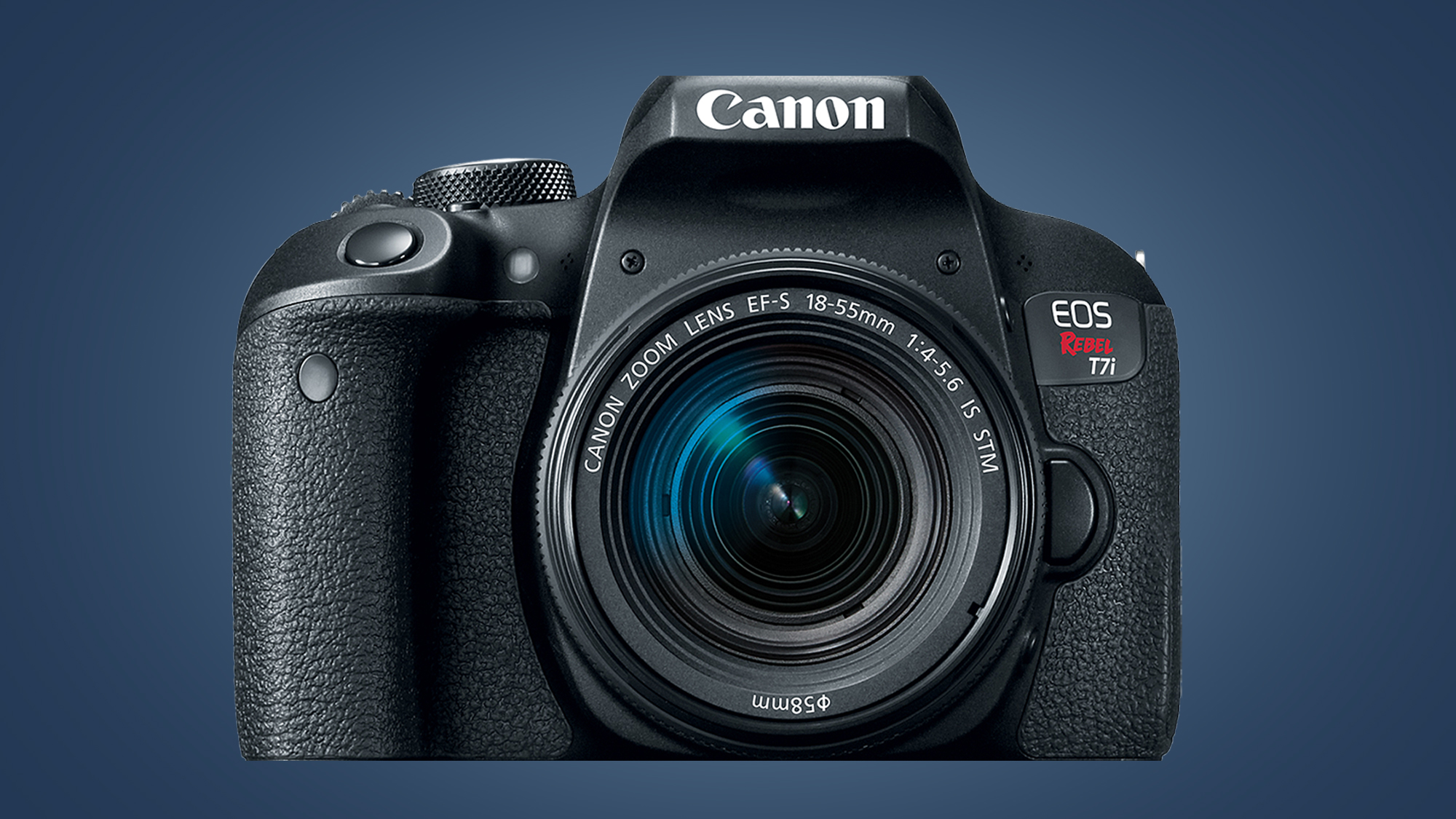
Canon EOS Rebel T7i / EOS 800D
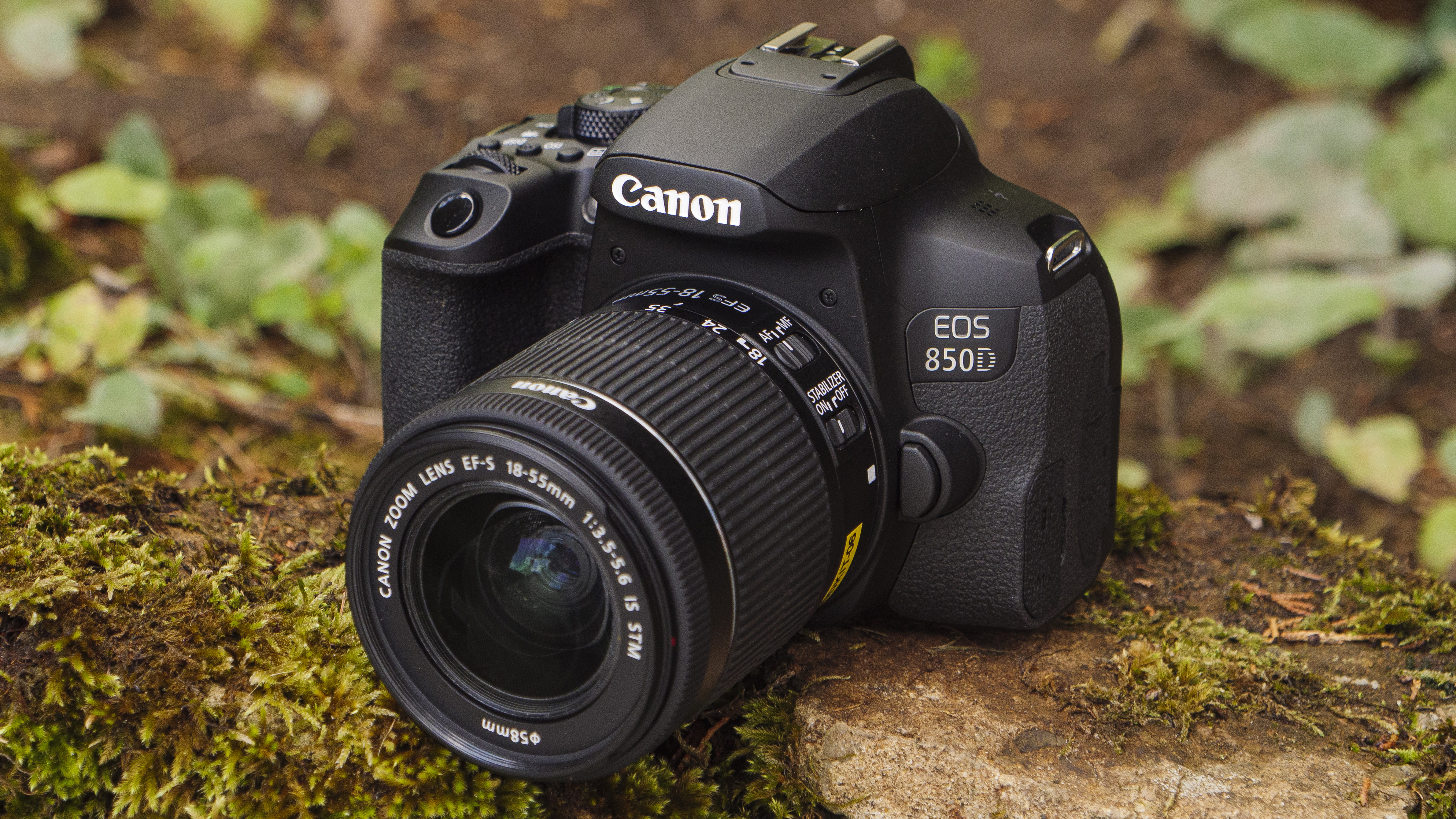
This beginner-friendly DSLR was recently succeeded by the Canon EOS Rebel T8i / EOS 850D, but the new model doesn't offer much of an upgrade. While it's difficult to find right now, look out for retailers clearing stock of this now discontinued model.
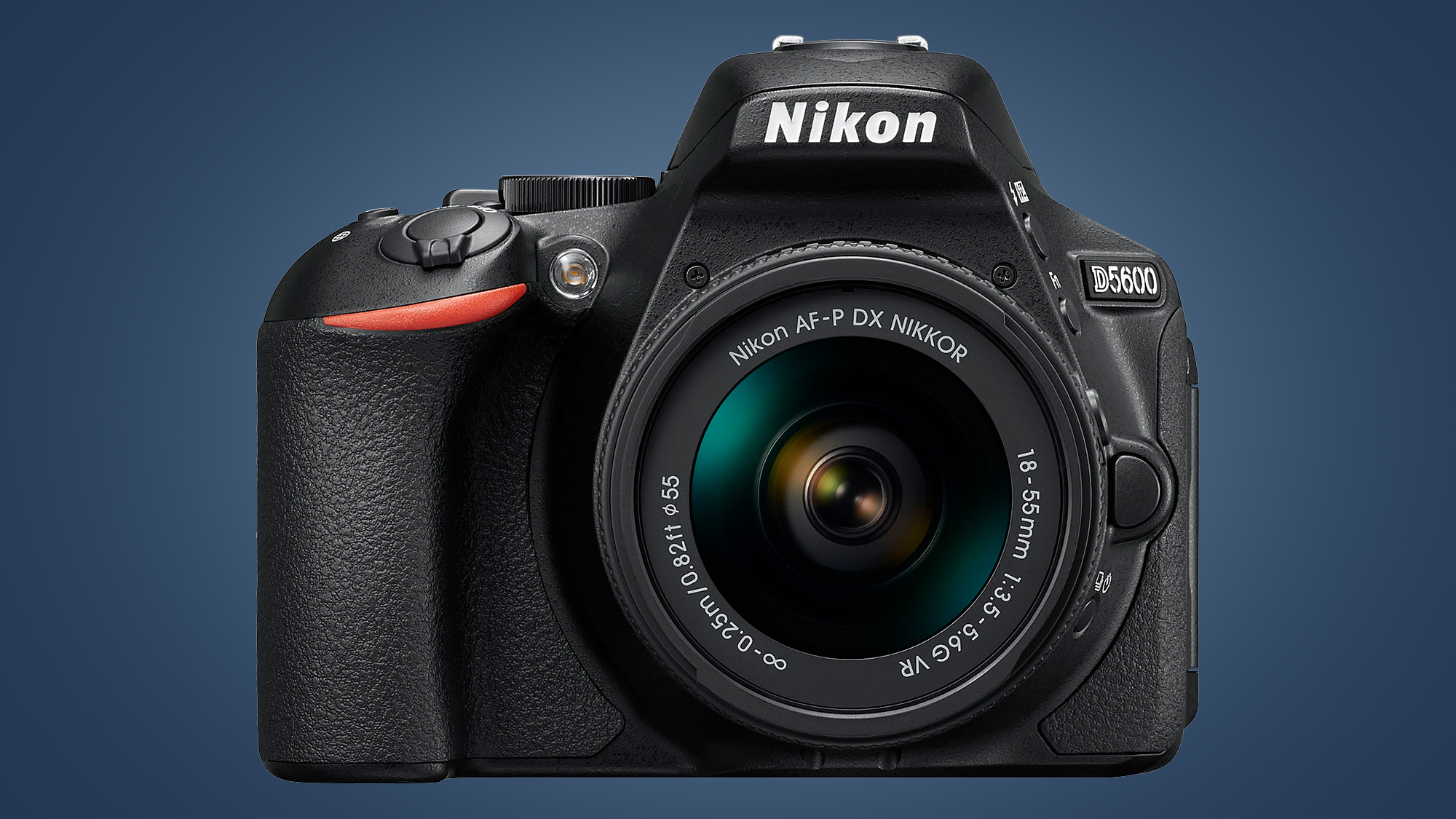
Some of the best value DSLRs around are older mid-range models that have dropped to entry-level prices. The D5600 is one great example – it's small, light, has a vari-angle screen and takes fantastic photos. It may be three years old, but it'd make a great first camera for someone who prefers DSLRs to mirrorless cameras.
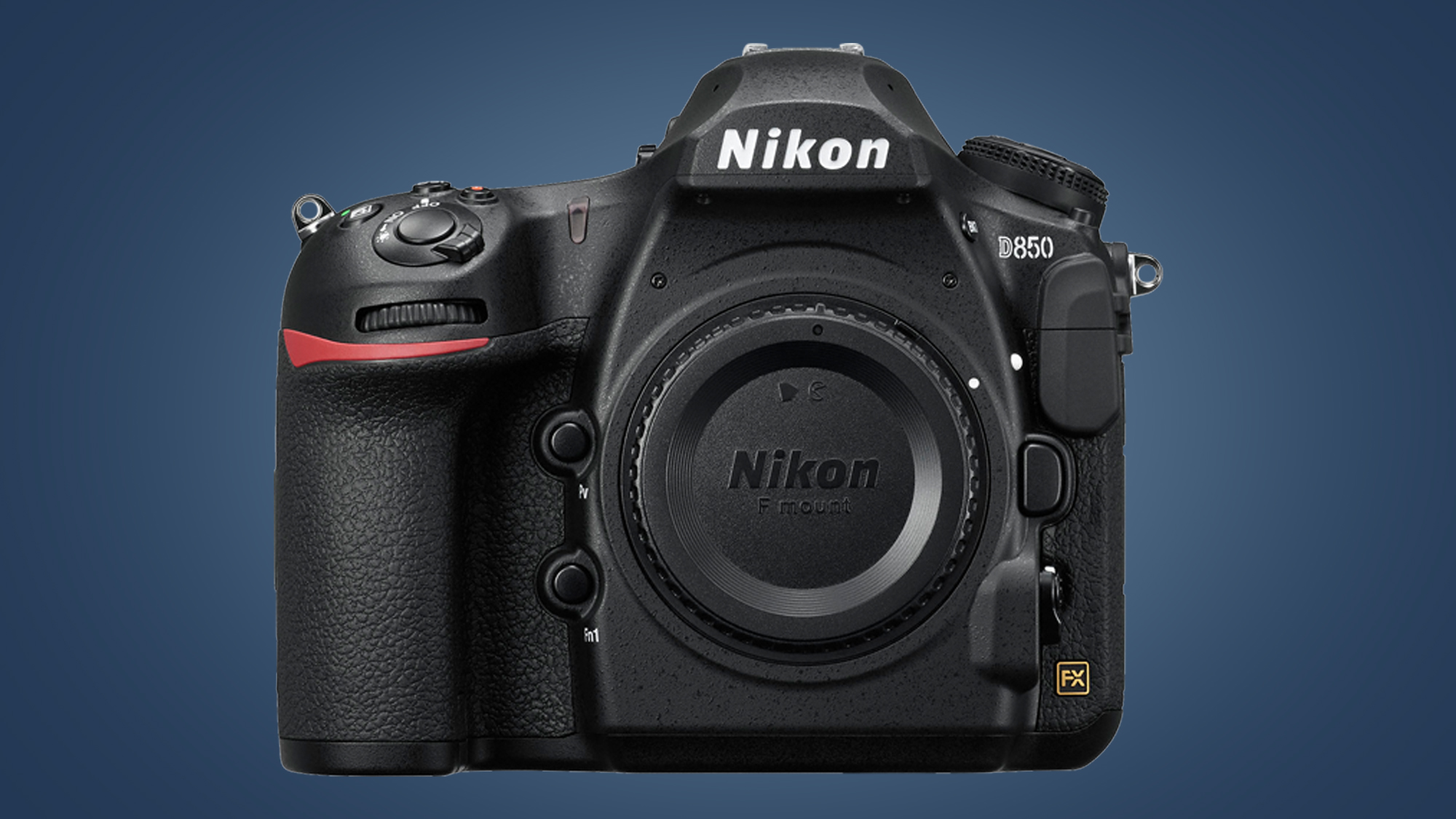
Looking to snap up a pro DSLR bargain during Black Friday? The powerful D850 has already shown that it's a prime option, by recently dropping to its lowest ever price. We're not sure if it's likely to drop any further than that, but it's certainly one we'll be keeping an eye on. The 45.7MP DSLR is still a brilliant all-rounder that can handle pretty much type of photography you throw at it. To top it all off, it has a ludicrous 1,840-shot battery life.
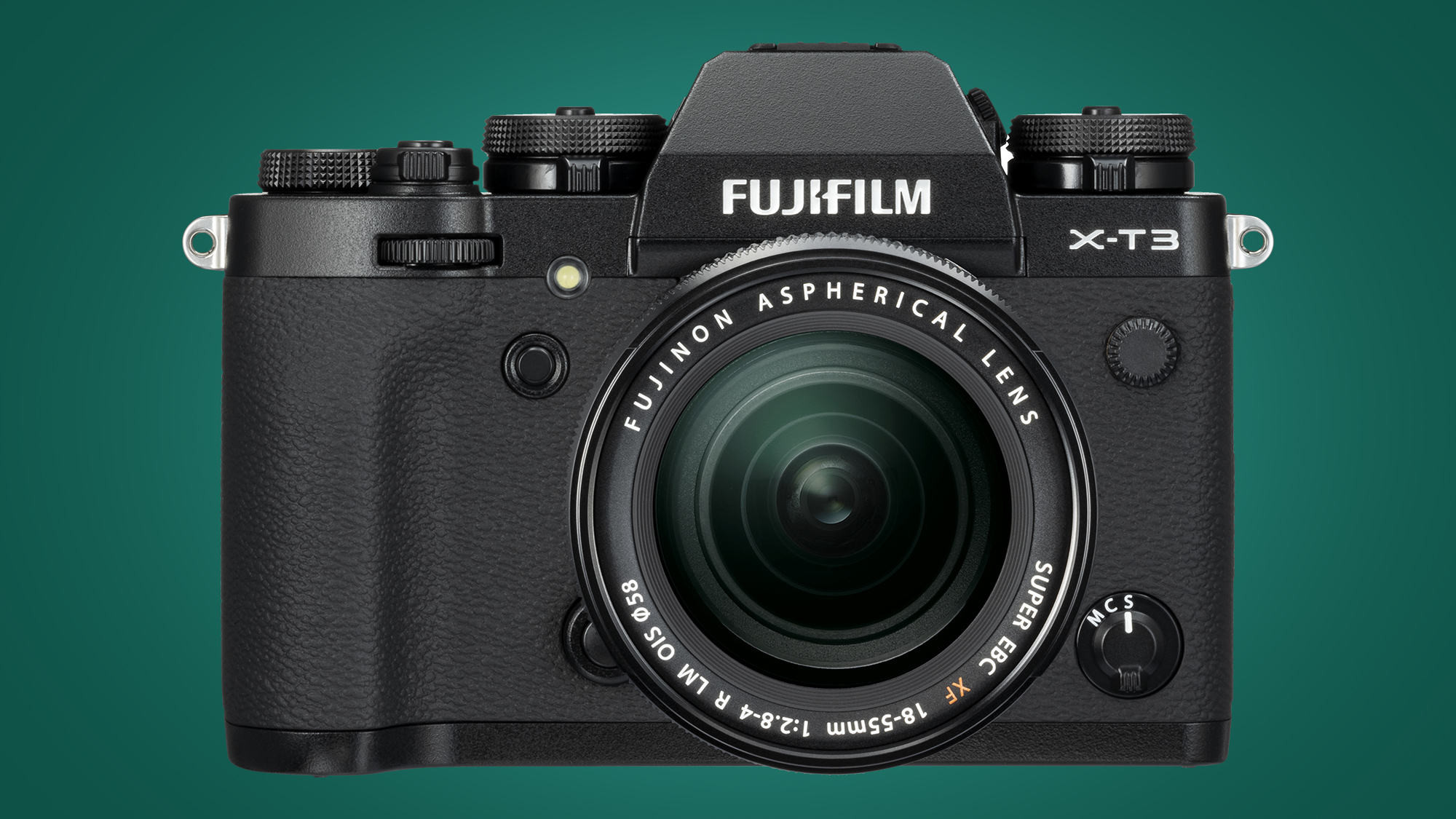
Now over two years old, this excellent mirrorless all-rounder is still a current model, but has since been succeeded by the X-T4. If you don't need the latter's in-body stabilization and video skills, though, then the X-T3 remains a very fine option for anyone looking for their first 'proper' camera or a smaller alternative to a DSLR. It recently received the X-T4's autofocus skills via a firmware update, too.
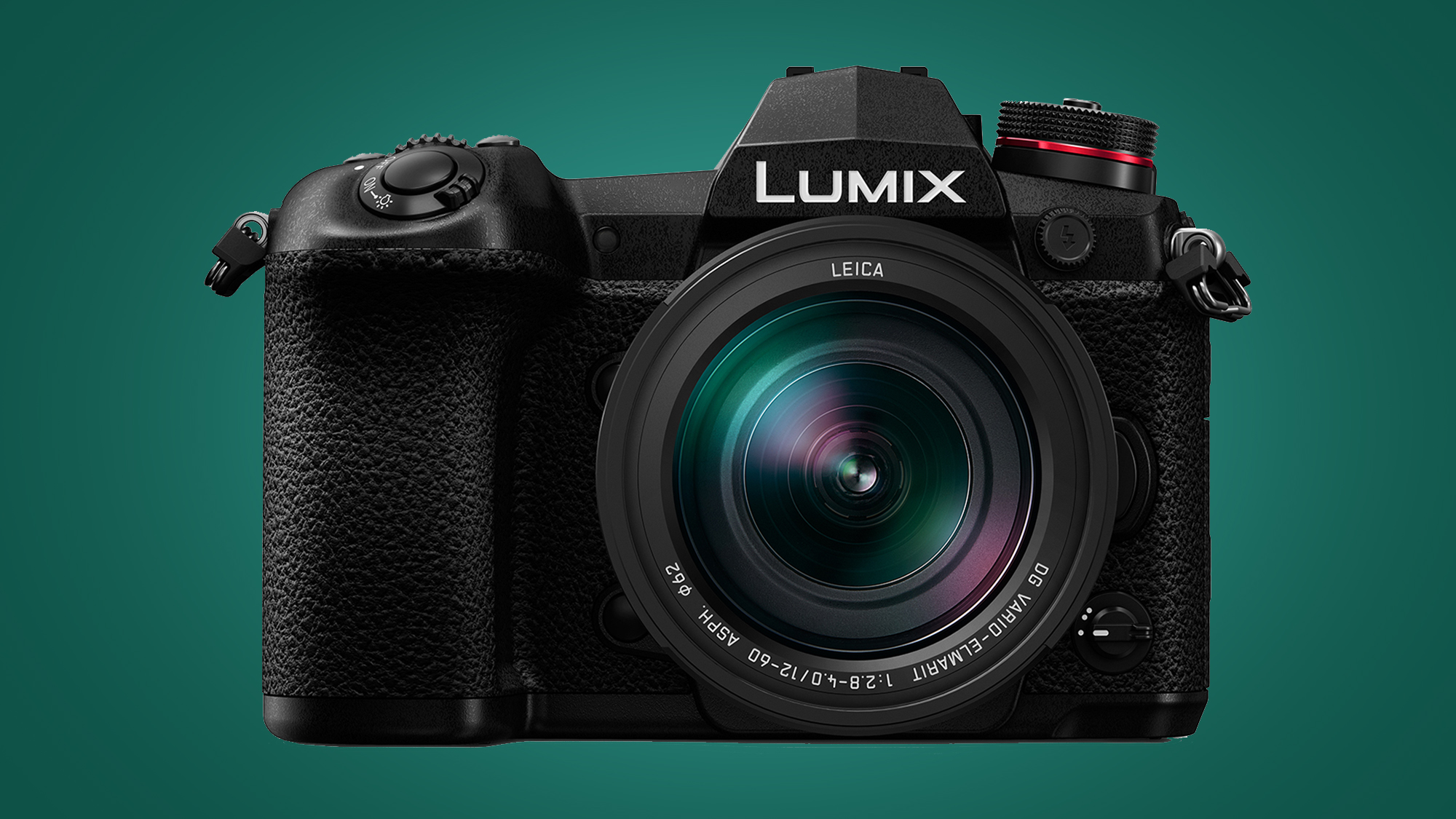
Ahead of its time when it arrived in 2018, this 20.4MP Micro Four Thirds camera has dropped to some incredibly low prices in the last year considering its talents – and we're expecting it to do the same during the Black Friday shopping season. It has in-body image stabilization, a flip-out screen and can shoot full-resolution JPEGs at 20fps with continuous AF. In short, pretty much everything you need from a hybrid all-rounder.
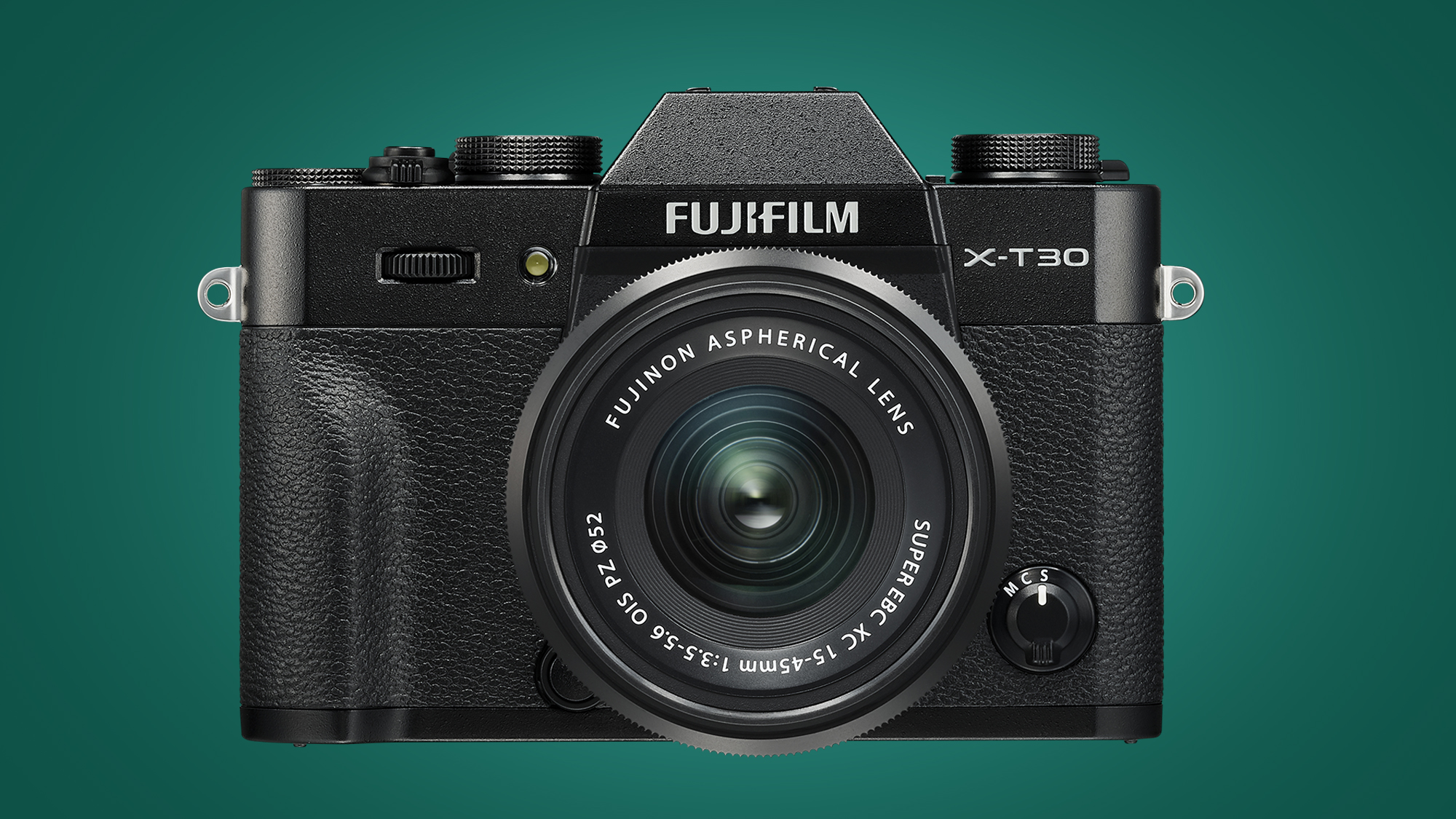
The little brother of the Fujifilm X-T3, this superb little APS-C camera dropped to its lowest ever price during Black Friday last year, and we're hoping it can beat that record this time around. It combines brilliant photo quality, speedy autofocus, impressive 4K video quality and great value. As long as you don't need to shoot with longer lenses, it's one of the best small mirrorless camera for beginners and hobbyist shooters.
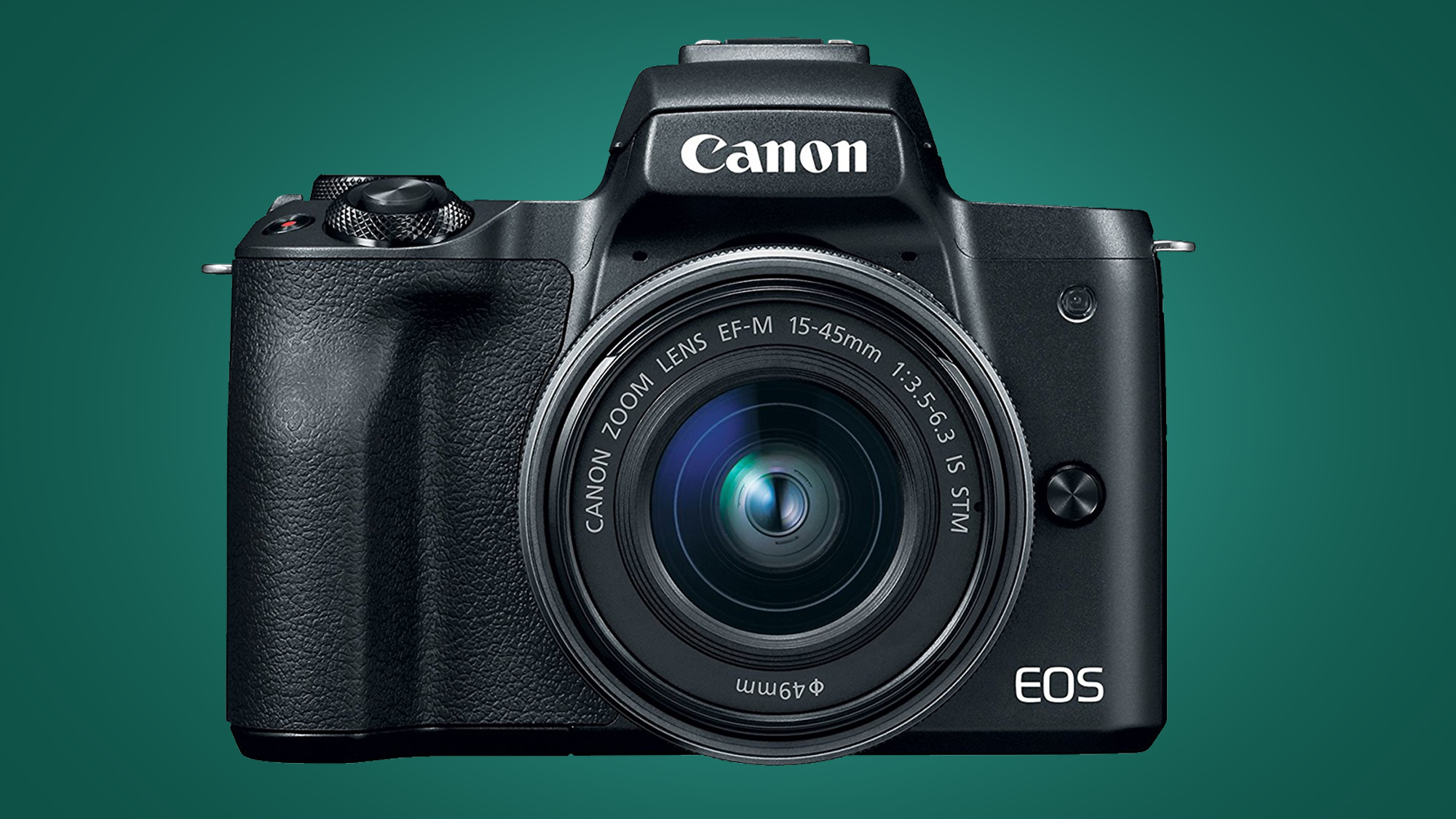
It might have been recently succeeded by the Canon EOS M50 Mark II (in some regions, at least), but the EOS M50 remains a great choice for beginners or anyone looking for a small, fun mirrorless camera. Crucially, it has the ever-reliable Dual Pixel CMOS AF, a great electronic viewfinder and a polished touchscreen. Just don't expect much from its 4K video mode, this is very much 1080p video camera.
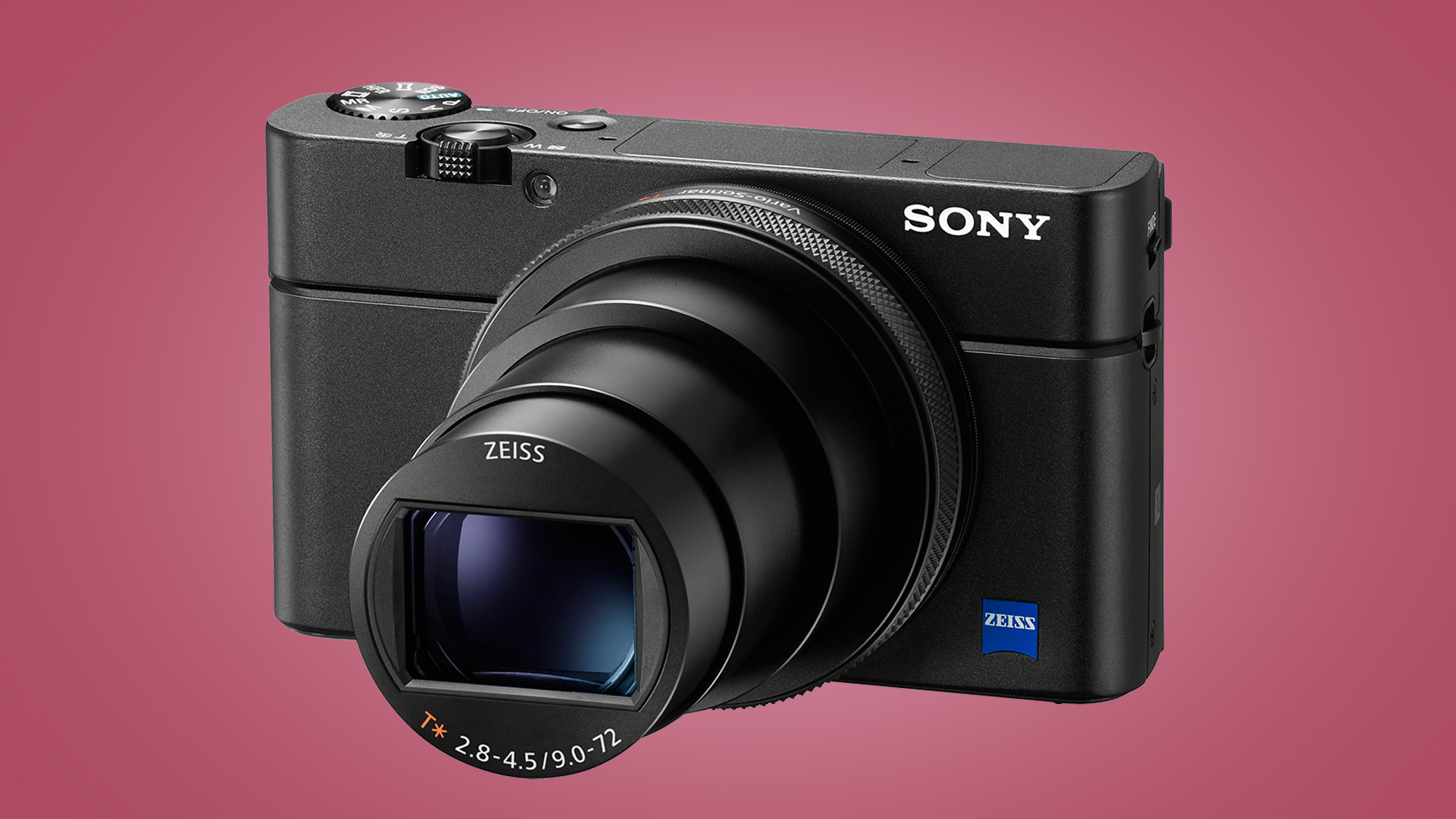
Sony's RX100 series are Black Friday stalwarts that get regular discounts, so which model should you target? All of them have 1-inch sensors (larger than the one in your smartphone), but we think this model offers the best value for most people. It shoots lovely photos and crisp 4K videos, while its 24-70mm lens has a bright f/1.8-2.8 aperture for some natural depth of field. A 2.36-million dot viewfinder also slots away when you don't need it, too.
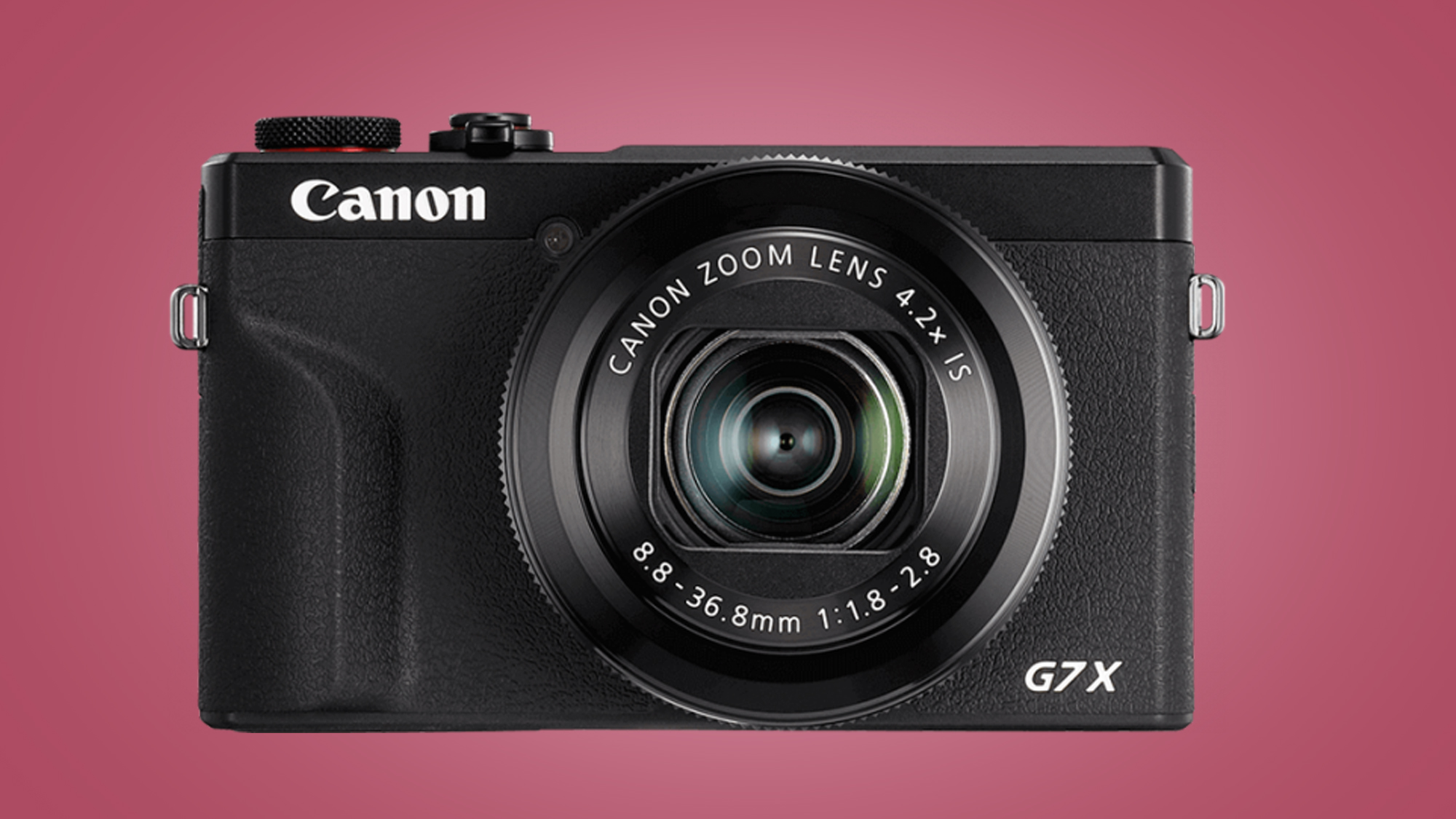
Looking for a compact vlogging camera that can also double as a handy stills sidekick? Alongside the Sony ZV-1, this is one of the best options around, thanks to its 1-inch sensor, mic port and ability to shoot photos at up to 30fps. Given it's now over a year old, we're hoping to see it hit a new low price this Black Friday – just bear in mind that it doesn't have a viewfinder.
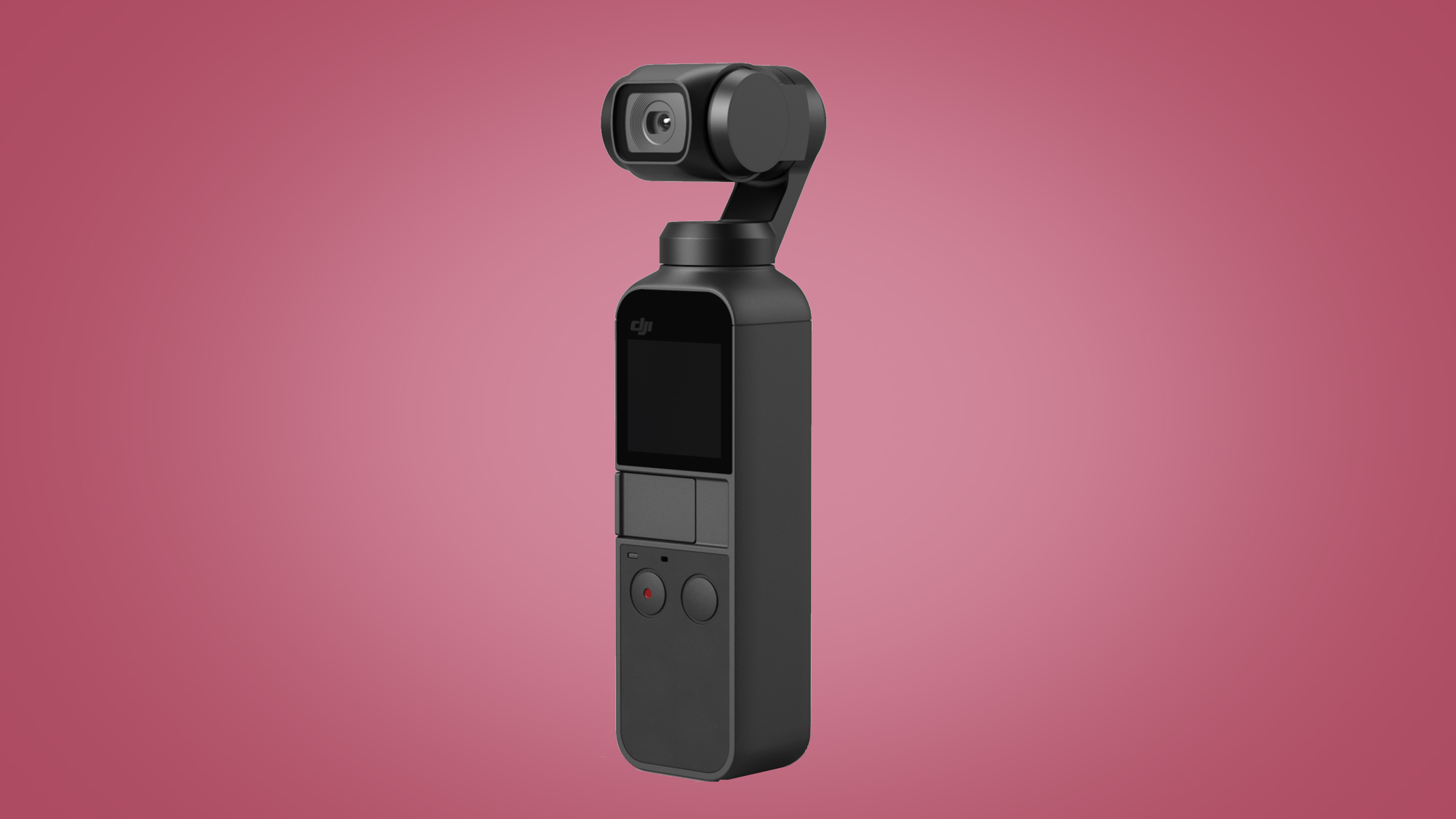
Another little video-focused camera, the DJI Osmo Pocket remains a great pocket option for stabilized video, despite the arrival of the new DJI Pocket 2. It uniquely boasts a three-axis gimbal to keep your walking footage smooth and shoots 4K/60p video. A potentially great gift for the vlogger in your life, particularly if it gets a generous discount.
https://ift.tt/154AwVo Galaxy S21 Ultra leaks have been abundant, and the latest round comprise details on possible production commencement and an updated render that shows rear camera tweaks to the most premium model in the upcoming Samsung Galaxy S21 series. Samsung is expected to introduce the next generation S series flagship sometime in January next year.
Autodromo Internazionale Enzo e Dino Ferrari, popularly known as Imola, hosts its first F1 GP since 2006 this weekend, a race that's been christened the Emilia Romagna Grand Prix. Follow our guide to watch F1 online and get an F1 Emilia Romagna Grand Prix live stream wherever you are, including complete coverage of every practice session and qualifying.
The circuit has a rich and tragic history, having been the site of the crashes that saw Ayrton Senna and Roland Ratzenberger lose their lives on the infamous weekend of the 1994 San Marino GP. This will be the third Italian GP of the year, and unusually, there's only going to be one practice session rather than the standard three, meaning the drivers will have just 90 minutes to familiarise themselves with the track before getting into full quali mode.
F1 Emilia Romagna Grand Prix live stream
The Emilia Romagna Grand Prix starts at 1.10pm local time (CET) this Sunday, which is 12.10pm GMT / 7.10am ET / 4.10am PT. Sky Sports is the home of F1 racing in the UK, and you can scroll down for full coverage details around the world. If you're abroad you can tune in just like you would at home with the help of a good VPN.
The elder statesman of the grid, Kimi Räikkönen, is the only current driver to have raced in the last GP to have been held at Imola. He had a pretty good day at the office too, finishing in fifth place for McLaren-Mercedes.
The winning driver? A certain Michael Schumacher. That was one of 91 career victories, a record few though would ever be broken until Lewis Hamilton, who made his F1 debut the following season, burst onto the scene.
The Mercedes supremo's Portuguese GP win last weekend was the 92nd of his career, and there's no sign of a let-up. After a shaky start that saw him drop from pole position to third in the blink of an eye, Hamilton did what Hamilton does and made his way to the front of the pack, and never looked like he'd finish anything other than first.
Charles Leclerc, Pierre Gasly and Sergio Perez also sparkled in Portugal - Gasly and Perez's performances were especially notable because of their teammates' struggles - maintaining the thrill of this year's midfield battle.
Don't miss another second of the Formula action - read on for full details of how to get an F1 live stream and watch the Emilia Romagna Grand Prix from start to finish this weekend.
Practice 1 - Saturday, October 31 at 9am GMT / 10pm CET / 5am ET / 2am PT
Qualifying - Saturday, October 31 at 1pm GMT / 2pm CET / 9am ET / 6am PT
Emilia Romagna Grand Prix 2020 - Sunday, October 25 at 12.10pm GMT / 1.10pm CET / 7.10am ET / 4.10am PT
How to watch the Emilia Romagna GP from outside your country
If you're resident in the UK, US, Canada, Australia or New Zealand, you can scroll a bit further down for a guide to who's showing the Formula 1 Emilia Romagna GP in your country this weekend. But if you're abroad for whatever reason, you might encounter a problem accessing your normal coverage in the form of geo-blocking.
You needn't worry, though - by using one a VPN services we recommend, you can whizz around these digital borders and tune in to a reliable Emilia Romagna Grand Prix live stream, just like you would at home. Here's how to get started.
ExpressVPN - get the world's best VPN We've put all the major VPNs through their paces and we rate ExpressVPN as our top pick, thanks to its speed, ease of use and strong security features. It's also compatible with just about any streaming device out there, including Amazon Fire TV Stick, Apple TV, Xbox and PlayStation, as well as Android and Apple mobiles.
Sign up for an annual plan now and get an extra 3 months absolutely FREE. And if you change your mind within the first 30 days, let them know and they'll give you your money back without a quibble.
How to watch the Emilia Romagna Grand Prix: live stream F1 in the UK
Sky has the rights to Formula 1 in the UK, meaning you'll be able to see it all via Sky Sports and its dedicated Sky Sports F1 channel. Subscribers also get to watch on the move using the Sky Go app , which is available on nearly all modern phones, tablets, laptops, PCs and consoles.
For those of you without Sky, the best option is to nab a Now TV Sky Sports Monthly Pass, which includes all 11 channels. As well as plenty more F1 action, this will get you access to live Premier League football, Test cricket, and lots more.
Coverage begins on the dedicated Sky Sports F1 channel at 9am GMT on Saturday for the first and only practice run of this weekend, 12pm for qualifying, and 10.30am Sunday for the Emilia Romagna Grand Prix itself.
To access your usual streaming service from outside the UK, you'll need to download a good VPN as detailed above.
F1 live stream: how to watch the Emilia Romagna Grand Prix in the US
For the 2020 F1 season, it's ESPN that will be providing broadcasts in the US. Cord-cutters are in luck, too, as you don't have to use cable to access ESPN.
Over-the-top streaming services let you watch TV online and and can typically be had for a fraction of the cost of even the most basic cable package.
When it comes to getting ESPN, two in particular stand out.
How to watch F1 and ESPN without cable
Sling TV's Orange package includes ESPN and offers a FREE trial period before billing you at $30 a month. If you just want access to ESPN and the F1 action, this is the cheapest way to go.
F1 Emilia Romagna Grand Prix 2020: US times and TV coverage
ESPN's coverage is pretty comprehensive, and this Sunday you can watch the Emilia Romagna Grand Prix live from 7.10am ET/4.10am PT on ESPN (build-up starts at 5.30am ET/2.30am PT), while qualifying action goes live on TV at around 8.55am ET/5.55am PT on Saturday ahead of a 9am ET/6am PT start.
For the truly dedicated, the practice session will go on-air at 5.55am ET/2.55am PT.
Watch an Emilia Romagna Grand Prix F1 live stream abroad
US residents heading outside of the country can still access the feed they normally use and pay for at home by checking out a quality VPN and following the instructions above.
How to watch the 2020 Emilia Romagna GP: live stream F1 in Canada
In Canada, 2020 F1 races are aired on a pair of Bell Media-owned sports broadcasters: the English-language TSN and its French-language counterpart RDS. Check your local listings for linear TV details, but those wanting to watch online are well-served by their digital platforms.
The TSN Direct and RDS Direct streaming services cost just CA$4.99 a day or (much better value) $19.99 a month and can be purchased by anyone, regardless of whether you have the channels as part of a pay TV package - though existing subscribers should note they can log in to live streams at no extra charge with details of their provider. They both also offer apps for convenient on-the-go streaming.
The Emilia Romagna Grand Prix starts at 7.10am ET/4.10am PT this Sunday, with qualifying action the day before starting at 9am ET/6am PT.
The one practice session gets underway at 6am ET/3am PT on Saturday morning and coverage is also being offered, going live at 4.30am ET/1.30am PT.
Canadians abroad can use a VPN to whizz back to the Great White North and watch the streaming coverage they normally do at home - only from anywhere in the world.
How to watch F1 and get an Emilia Romagna Grand Prix live stream in Australia
Paid-for TV network Fox Sports is showing every race of the 2020 Formula 1 season Down Under, including all of this weekend's Emilia Romagna Grand Prix action.
The necessary channels are available to Foxtel subscribers on linear TV, but Australians who don't want the commitment or cost of a cable subscription are in luck, as Fox Sports F1 coverage is also available via streaming-only service Kayo Sports.
In fact, it's available from just $25 a month - and it comes with a FREE 2-week trial period so you can see how it works for yourself. It's also home to comprehensive NRL and AFL coverage, making it a great all-around choice for Aussies, while expats and fans of other sports will enjoy its coverage of soccer, golf, tennis, NBA basketball and much more.
For the best value, consider the upgraded Kayo Sports Premium Package, which provides three concurrent streams for $35 per month. We probably don't need to tell you, but if you've got mates or family who also like to watch F1, this can be shared and breaks at just over a tenner a head.
You can watch the Emilia Romagna GP live from 11.10pm AEDT on Sunday night.
Before that, the practice run on Saturday, October 31 starts at 8pm, and the all-important Emilia Romagna Grand Prix qualifying session starts at midnight Saturday night/Sunday morning.
Don't forget, you can take your coverage abroad with you as well - just grab a VPN and follow our instructions above to take your streaming service of choice with you wherever you go in the world.
How to get an F1 Emilia Romagna GP live stream in New Zealand
New Zealand gets the 2020 F1 races broadcast by Spark Sport which costs $19.99 per month. But if you just want to catch one race for free, you're in luck as there is a 7-day free trial.
The Emilia Romagna Grand Prix 2020 is scheduled to start at 2.10am NZT in the very early hours of Monday morning.
If you're elsewhere in the world right now, using one of our best VPN recommendations should let you sign in to your account and stream just as you would if you were at home.
Pleasant surprises have been few and far between in 2020, but the Motorola Edge smartphones have certainly been that. The Edge and Edge Plus are intriguing handsets, named after their displays, the edges of which curve dramatically into the sides of the phones.
The Edge is a great mid-range handset and the Edge Plus is an impressive premium device – and, while neither is perfect, we have to commend Motorola for leaving its budget-phone comfort zone and making something new. In a world of successors and follow-ups, that’s a rare move.
And while on the subject of successors, there’s been no mention yet of a Motorola Edge 2 line, not from early-bird leakers and fan rumors, or via any official words for that matter, so we have no idea whether the Edge line will see a 2021 follow-up. We certainly hope it will.
For upcoming smartphones we usually write up a wish-list of features we’d like to see in the new model, but since there’s so much uncertainty regarding the Motorola Edge 2, we’ve instead come up with a list of reasons why we want to see it at all.
We’ll also use this page to provide updates on information that appears about the phones, if or when it does, so if you’re interested in Motorola’s flagship line then stay tuned.
What is it? The second generation of Motorola's premium line
When is it out? Possibly mid-2021
How much will it cost? Likely a mid-range and a premium-price model
Motorola Edge 2 release date and price
Motorola Edge Plus(Image credit: Future)
The Motorola Edge and Edge Plus were launched in April 2020, and were released in staggered formation: the Edge was first available in the UK, while the Edge Plus launched in the US; over time, both phones became available in both countries and beyond.
The Edge was priced at £549 / $699 (about AU$1,015), while the Edge Plus went for $999 / £1,050 (around AU$1,550) – as we said, mid-range and premium respectively.
In the absence of any actual Motorola Edge 2 information, our prediction is that the handsets could debut in April 2021 (Motorola does often follow yearly release cycles, after all), for roughly the same prices as before – if they appear at all, that is.
Why we want to see it
Below you’ll find just some of the reasons we’d want to see a follow-up to the Motorola Edge, so if you’re not aware of the original line, or just don’t get the hype, on reading our points you’ll be sure to gain a better understanding.
1. Doing the curved-edge right
(Image credit: Future)
A curved-edge display can be considered a ‘love-them-or-hate-them’ feature. Some folk find it annoying, since it’s easy to accidentally press or swipe, but others love a curved edge, because they make a smartphone feel far more comfortable in the hand.
Motorola absolutely nailed this design feature on the Edge, with the phone’s generous availability of software providing excellent ‘accidental touch protection’. As such, swiping off a menu or selecting something by mistake is unlikely with this handset. So, whether you love or hate curved-edge displays, you can be assured that the Motorola Edge will work flawlessly.
In fact, Motorola actually added some tools for the curved-edge display: you can swipe up on the edge to see recent apps, for example, or swipe down to bring up your notifications. We didn’t use these features much, but others may find them super-useful, so their addition should be lauded.
2. Great feel in the hand
The main advantage of a curved-edge display is that it leads to a phone feeling great in the hand. The rounded glass nestles in your palm snugly – and, with such an arched screen, the Motorola Edge feels pleasant to hold.
Hand-feel is an often forgotten metric for judging a phone, with giant smartphones that you have to stretch to hold becoming the norm. Well, the Motorola Edge scores top points in this department, and given the slew of awkward-to-hold phones we’ve seen since, we’re longing for the Edge 2 to come along and treat our hands right.
3. A new high for Motorola phones
Motorola Edge Plus(Image credit: Future)
Since new phone lines are a bit of a rarity in the smartphone world, the launch of the Edge and Edge Plus was a noteworthy event of 2020, even more so for Motorola because these two devices were the best the company has put out in some time – both devices sit in the top slots of our best Motorola phone buying guide.
The company has been better known for its budget G-series phones, which used to dominate the top slots of that list, with the super-affordable E line and low-mid-range Moto One range also featuring a few entries. But now Motorola has shown that it can innovate in other market segments, too.
The Motorola Edge has proven to be a new high for Motorola, and we’d like to see where the company decides to go from there.
4. Special tools for gaming
(Image credit: Future)
If you’re an avid mobile gamer, then you’ll likely be considering buying a gaming phone. However, such handsets aren’t always great for... well, anything besides gaming. The Motorola Edge offers a great compromise in this regard.
One function of the curved edge that we didn’t mention before is the ability to set up digital triggers on the screen, so when you’re gaming you can tap the edge to perform a specific function. It’s a fun way to add gaming tools to a phone that isn’t predominantly aimed at gamers.
5. Premium without the price
The selling point of many mid-range handsets is ‘top-end specs for a lower price’, but there are few phones that truly pull off that feat, with many obviously cutting corners to meet that reduced price. However, the Motorola Edge is one of the few phones in the mid-range market that we believe genuinely looks and feels like a premium device.
This is down to the great combination of design and display, as well as the clean software and UI, and long-lasting battery. Obviously, it isn’t an out-and-out premium phone (unlike the Edge Plus), but you certainly wouldn’t get that from looking at it, or in general use.
In this regard the Motorola Edge sits alongside the Xiaomi Mi 10 and Oppo Find X2 Neo, and that’s some pretty great company to have.
from TechRadar - All the latest technology news https://ift.tt/3oEFhm5
Doogee S96 Pro -$239.99 pre-order at Aliexpress
(£191.06/AU$431.93) The latest rugged smartphone from Doogee is now available to pre-order. Its main selling point is a 20-megapixel night vision camera and it also comes with an 18-month warranty and massive 6,350mAh battery. The only issue is its mediocre HD display.View Deal
While the rest of the world has to contend with Black Friday, the Chinese have their own version, known as Singles Day (a.k.a 11.11).
Some vendors use the occasion as the perfect excuse to pre-launch new products and slash prices ahead of the expected tsunami of orders.
Doogee, for example, has announced that the S96 Pro - billed as the first infrared night vision rugged smartphone that runs Android 10 - is now available. The device is priced at $299.99, but you can grab it for $239.99 instead if you pre-order at the Singles day price and don't mind waiting.
The S96 Pro’s unique selling point is a night vision camera based on the Sony IMX350 sensor chip, with four infrared lights and four LED lights. Doogee claims you will be able to clearly photograph any object, even in total darkness.
Note, this is different to the heat-seeking FLIR technology found in devices like the Blackview BV9900 Pro.
The rest of the spec sheet includes three rear cameras (including a 48-megapixel Samsung model), a 16-megapixel selfie camera, a Mediatek G90 chipset, 8GB of RAM, and 128GB storage (that uses Samsung’s faster UFS technology).
The only real weakness is its 6.22-inch, 1520 x 720px display; that's not even full HD resolution.
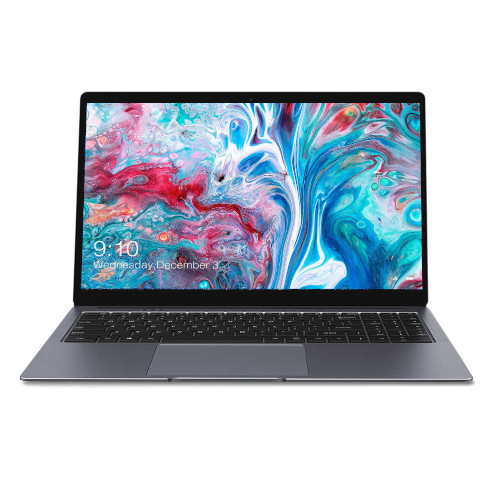
Chuwi AeroBook Plus 4K laptop -$559.99 at Banggood This laptop from little-known manufacturer Chuwi is the most affordable 4K machine on the market. It certainly looks the part and its specs are decent, but shame about the outdated Intel Core i5-6287U processor. Still, this could be a great option if a super sharp display is your top priority.View Deal
Since its appearance last July, the Chuwi AeroBook Plus is still by far the cheapest 4K laptop on the market, costing hundreds of dollars less than rivals.
You can pick up this new Chuwi machine for just under $560, excluding region-specific coupons and delivery. Banggood, the marketplace where Chuwi sells its gears, ships globally (including the US, UK and Australia).
On paper, the Chuwi Aerobook Plus looks a fantastic piece of kit, especially if you're after a screen with one of the highest pixel densities on the market (making it super sharp), spread over 15.6 inches.
With a full-metal chassis, the Aerobook Plus doesn't look like a cheap device, but corners have been cut in order to reach this exceptionally low price point.
It runs on an Intel Core i5-6287U processor - a dual-core processor that was launched five years ago. It's still quite competitive thanks to a very high base clock speed and the onboard Intel Iris Graphics 550 graphics, but we can't see why Chuwi didn't opt for a more recent model (other than the usual stock issues).
The rest of the specification is decent; 8GB of DDR4 RAM, a 256GB SATA SSD, Bluetooth 5.0 and 802.11ac Wi-Fi, a 55WHr battery that can power the laptop for an estimated eight hours, a plethora of ports and a weight starting at 1.7kg.
If this product comes from mainland China, it will take at least a month to reach either the US, UK or Australia (and potentially more). You may be levied a tax either directly or through the courier.
If you've managed to get your hands on a cheaper product with equivalent specifications, in stock and brand new, let us know and we'll tip our hat to you.
from TechRadar - All the latest technology news https://ift.tt/3jNnMMy
To avoid falling victim to a malware infection, users first need to be aware of which malware strains are actively being used by cybercriminals in their attacks which is why Webroot releases a list of the nastiest malware each year.
In its third annual nastiest malware list, the cybersecurity firm examined this year's biggest cyber threats and ranked them based on their severity.
According to Webroot, phishing and remote desktop protocol-related breaches remain the top methods its has observed cybercriminals using to launch their attacks. However, new malware strains and tactics are being deployed each day while others have received upgrades that made them more powerful.
This year the main trend the firm observed is modularity as cybercriminals have adopted a more modular malware methodology in which they combine attack methods and mix-and-match tactics to ensure their attacks reach their intended targets.
Nastiest malware of 2020
Emotet has once again taken the top spot on Webroot's list of the nastiest malware for the third year in a row. The malware is deployed by cybercriminals in a botnet that is used to spread ransomware and it often appears alongside TrickBot, Dridex, QakBot, Ryuk, BitPaymer and REvil.
Next up on the list is the Gozi trojan, IcedID trojan and Maze ransomware which are often deployed together. In a potential attack scenario, Gozi could end up on a machine through a malicious email, botnet or even TrickBot and then drop the IcedID trojan to help improve an attacker's chances of obtaining the credentials or information they want.
Just like TrickBot, Dridex is another popular banking/info-stealing Trojan that made Webroots's list this year. It has been around for years and is dropped via Emotet or through malicious spam campaigns. Also in a similar manner to TrickBot, Dridex spreads laterally and typically deploys ransomware such as BitPaymer/DoppelPaymer.
While these malware strains were the nastiest this year, they aren't the only ones to make the list. Other notable contenders for the nastiest malware of 2020 including the REvil and Dharma ransomware, the multi-functional malware distribution tool Valak and the info-stealing trojan QakBot.
To prevent falling victim to malware, Webroot recommends organizations lock down RDP, educate their employees about phishing, install a reputable security suite, develop a disaster recovery plan and backup up their important data.
Cloudflare has announced a new tool to help customers detect and analyse the presence of bots on their website. Called Bot Analytics, the new solution provides more detailed detection, informing users of how many bots are present and whether they can be classified as ‘good bots’ or ‘bad bots.’
Although bots have a bad reputation online, not all of them are malicious. In fact, many helpful services that employ some level of automation use bots. These are completely above board and as long as they are open about the practice, shouldn’t be prevented from visiting any sites.
On the other hand, ‘bad bots’ can be an unwelcome presence. They may be hoarding inventory or scraping content from a particular site. However, because bots represent an estimated 40% of all online traffic, determining which bots to block and which ones to allow isn’t easy. This is where Cloudflare’s Bot Analytics comes in.
“Beginning today, we are going to show you the bots that reach your website,” Ben Solomon, product manager for Bot Management at Cloudflare, explained.
“You can see these bots with a new tool called Bot Analytics. It’s fast, accurate, and loaded with information. You can query data up to one month in the past with no noticeable lag. To accomplish this, we exposed the data with GraphQL and paired it with adaptive bitrate (ABR) technology to dynamically load content. If you already have Bot Management added to your Cloudflare account, Bot Analytics is included in your service.”
Boy Analytics can be found under the Firewall tab of the Cloudflare dashboard. Enterprises without Bot Management access will only see a snapshot of their bot traffic, but that should still be enough to determine whether bots are swarming all over a webpage.
Website admins can also set their own bot threshold to determine how much automated traffic they allow. Of course, there’s no sure-fire way of keeping out all bots, but setting the right limit should ensure that more bandwidth is given to genuine website visitors.
Samsung Electronics has introduced its own version of Apple’s Find My feature to locate devices – though, naturally, it will only work with Galaxy devices, from smartphones to tablets to smartwatches to individual earbuds.
The feature, called SmartThings Find, locates devices using Bluetooth Low Energy (BLE) and Ultra Wideband (UWB) – a WiFi-less tracking method similar to what Apple has been rumored to be developing. SmartThings Find is now available on Samsung's Galaxy devices globally after the service was tested by 6 million users in South Korea, the USA and the UK for about two months, the company said in a press statement.
Sadly, older devices may not be able to run the feature, which is coming in a software update for on Galaxy smartphones and tablets running Android 8 or later, Galaxy Watch smartwatches powered by Tizen 5.5 or above, and Galaxy Buds Plus and Galaxy Buds Live wireless earbuds.
After completing a quick registration process, SmartThings users can easily find their Galaxy devices – from smartphones, tablets and smartwatches, down to each individual earbud.
While the app uses BLE and UWB technologies to track the devices, it shows their locations in an AR interface to help users see where their Galaxy products actually are.
"With the added advantage of using AR6 in conjunction with maps and sounds to guide you back to your devices, SmartThings Find is a simple and visual solution that will help you easily locate your favorite devices. This is just one example of the new meaningful mobile experiences that UWB technology will bring to people across the world,” said Jaeyeon Jung, Vice President and Head of SmartThings Team, Mobile Communications Business at Samsung Electronics.
According to Samsung: Once a device has been offline for 30 minutes, it produces a BLE signal that can be received by other devices "If you report your device as lost via SmartThings Find, any nearby Galaxy smartphone or tablet that has opted into helping find misplaced devices can alert the Samsung server about its location, which will in turn notify you."
The service is also set to offer integrated map directions and sounds for users to quickly find a lost device.
Once you're close to your device, you can choose to either have your device 'ring' or locate it using the augmented reality-based search nearby function, which displays color graphics that increase in intensity when you are getting closer to your device, the company said.
All SmartThings Find user data is encrypted and securely protected, ensuring that the device’s location is not revealed to anyone except its owner.
SmartThings Find is similar to 'Find My App' that are native to Apple devices.
Samsung to add this service to other devices, too
The highlight of the service is it will allow users to find their missing devices even if they are offline.
Samsung said it plans to start expanding such solutions to tracking tags early next year, so that users can locate not only Galaxy devices but also other items.
"We are excited to also be working closely with leading companies in the item-finding space to both expand this experience and enable you to find more of the belongings you care about most," said Jung Jae-yeon.